Even today—when homes and offices look cleaner and more modern—indoor air quality is still important. Why? Because the air inside your home, workplace, or school can sometimes be more polluted than outdoor air without you even realizing it. The importance of indoor air quality goes beyond comfort; it directly affects your health, energy levels, and long-term well-being.
Let’s break it down in a simple, conversational way so you understand why it’s matters and what you can do about it.
Why Indoor Air Quality Matters More Than Ever
The biggest reason is still important today is how much time we spend indoors. Whether it’s homes, offices, classrooms, or commercial buildings—people spend almost 90% of their time inside. That means whatever is floating in the air around you is constantly entering your lungs.
Poor ventilation, hidden dust, humidity, cleaning chemicals, cooking fumes, and even old carpets can introduce pollutants. These lead to indoor air pollution health risks like:
- Fatigue and headaches
- Allergies and asthma triggers
- Respiratory irritation
- Eye, nose, and throat discomfort
This is why understanding air quality issues and fixing them early helps create clean air for homes, workplaces, and learning spaces.
The Benefits of Good Indoor Air Quality
When the air around you is clean, dry, and well-balanced, you immediately feel better. And the benefits include:
- Better sleep and energy levels
- Fewer allergy symptoms
- Improved focus and productivity
- Reduced spread of airborne bacteria
- A healthier environment for kids and older adults
Businesses also benefit—air quality for offices and workplace keep employees active, reduce sick days, and boost morale.
Schools experience the same. School air quality can improve learning performance and reduce respiratory infections among students.
Common Signs of Poor Indoor Air Quality
Many problems are invisible. Here are the most common signs of poor indoor air quality you should watch for:
- Stuffy rooms or lack of fresh airflow
- Persistent cough, allergies, or headaches
- Strong odors that don’t go away
- Excessive dust on surfaces
- Mold spots or damp areas
- High humidity levels
If you notice any of these, consider an indoor air quality assessment or home air quality testing in the UAE (if you're based in the region).
How to Test Indoor Air Quality
There are two simple ways to test your indoor environment:
✔ 1. Use Quality Monitoring Devices
Modern monitors can detect VOCs, humidity, temperature, and particulate matter.
✔ 2. Professional Assessment
Experts use advanced tools for air quality testing, offering detailed reports and solutions.
Knowing how to test air quality is the first step toward improving it.
What Affects Indoor Air Quality the Most?
Several everyday elements play a role:
- Poor ventilation
- Dust, pollen, and pet dander
- Mold growth
- High humidity
- Cooking emissions
- Chemical cleaners
- Old HVAC filters
Understanding what affects the most helps you create a cleaner environment.
How to Improve Indoor Air Quality (Practical, Simple Tips)
Wondering how can I improve air quality inside my home? Here are effective, easy-to-follow strategies:
1. Increase Fresh Air Ventilation
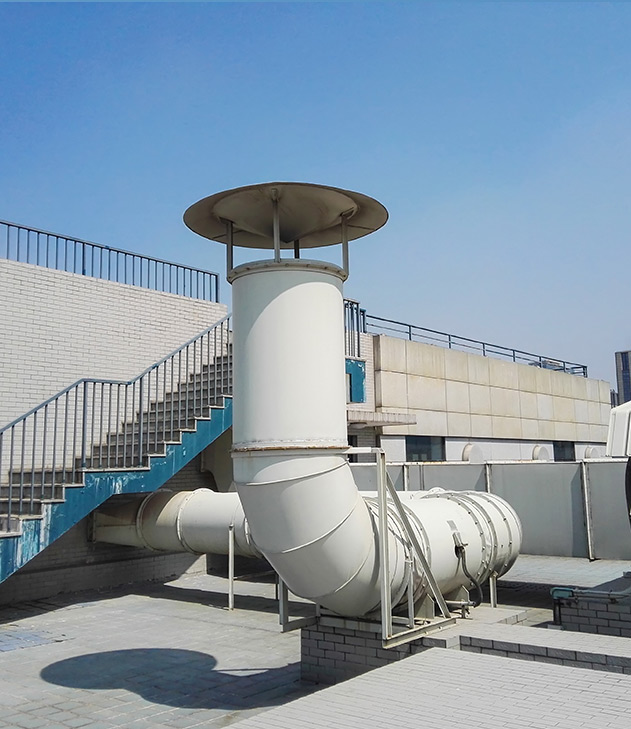
Open windows when possible or use mechanical ventilators that meet building ventilation standards and indoor environmental quality (IEQ) requirements.
2. Use Whole-Home Air Purifiers & Filtration
- HEPA filtration systems remove fine particles.
- UV air purification kills bacteria and airborne germs.
- Best air purifiers for homes with activated carbon help remove odors.
3. Maintain Your HVAC System
Clean air depends on clean equipment.
- Use HVAC filters for clean air
- Invest in HVAC air quality solutions
- Ensure regular duct cleaning services
4. Control Humidity
Dehumidifiers for air health help prevent mold and dampness.
5. Add Natural Air Cleaners
Indoor plants help freshen the room, though they are supplementary—not replacements for proper filtration.
Advanced Solutions for Homes and Commercial Buildings
Larger buildings may require advanced approaches such as:
- Indoor air filtration systems
- Air cleaning technologies
- Commercial IAQ solutions
- Advice from HVAC + air quality experts
These ensure better airflow, stronger filtration, and long-term health benefits.
Why Indoor Air Quality Is Still Important Today
Even with smart homes and advanced HVAC systems, dust, pollutants, and humidity continue to challenge indoor environments. Clean air is not a luxury—it’s essential for a healthy lifestyle. Taking steps today helps protect your family, employees, or customers for years to come.