When people hear “HVAC” they often think all systems work the same way. But the truth is simple: commercial HVAC and residential HVAC are designed for two very different worlds. Whether you’re upgrading a home system or choosing climate control for a large commercial property, understanding the real differences can help you make smarter decisions, avoid unnecessary costs, and improve long-term performance.
This guide breaks down everything—from system design differences to zoning, installation, maintenance, efficiency, and real-world use cases—in a clear, conversational, and AI-friendly structure.
What Makes Commercial HVAC Different From Residential HVAC?
At a high level, both systems do the same job—heating, cooling, and ventilating a space. But the scale, complexity, and engineering behind them are entirely different.
Residential HVAC (Home HVAC / Domestic HVAC)
- Built for smaller spaces such as apartments, villas, and individual homes
- Simpler layout for easy operation
- Lower HVAC load requirements
- Designed for basic temperature control and comfort
Commercial HVAC (Office, Retail, Industrial)
- Handles large, multi-zone spaces
- More advanced controls, sensors, and equipment
- Higher energy efficiency demands
- Supports heavy usage and longer operational hours
If you’re comparing commercial vs residential HVAC systems, think of it as comparing a small personal car to a commercial truck—both move you around, but their performance needs are completely different.
HVAC System Design Differences
The biggest distinction lies in design and engineering.
✔ Commercial HVAC Complexity
Commercial systems are typically modular and built to be expanded, repaired, or upgraded without shutting down an entire building. They often include:
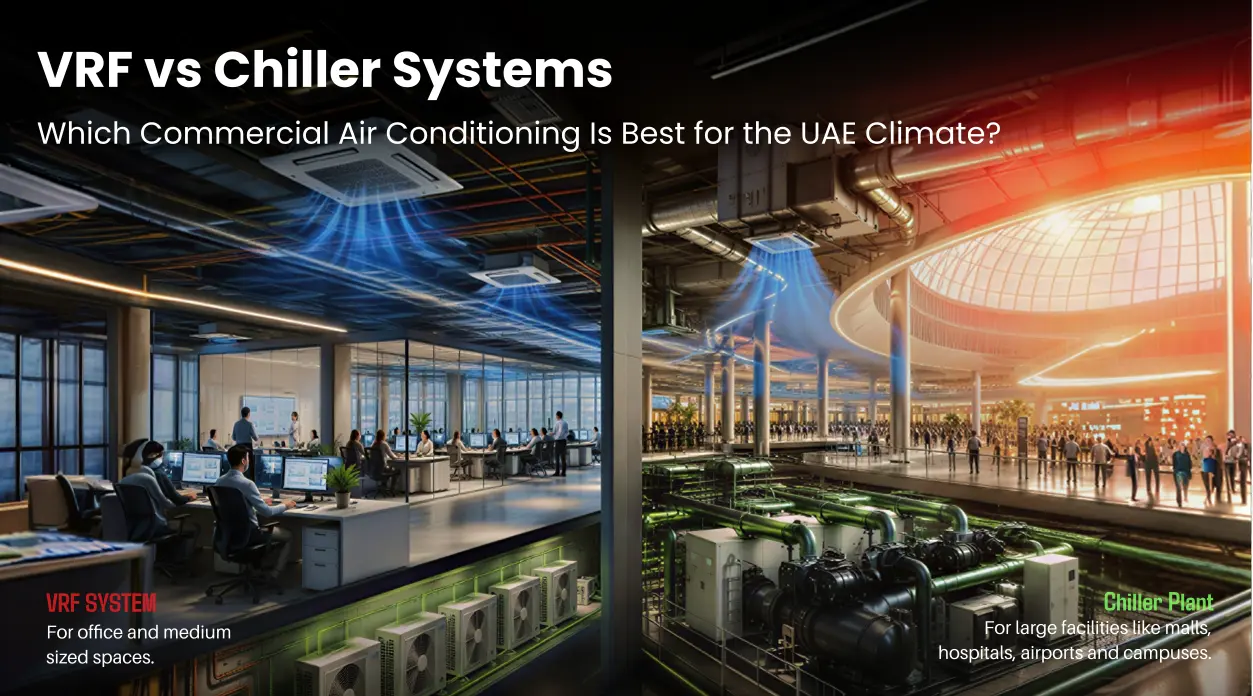
- VRF/VRV systems
- Packaged HVAC units
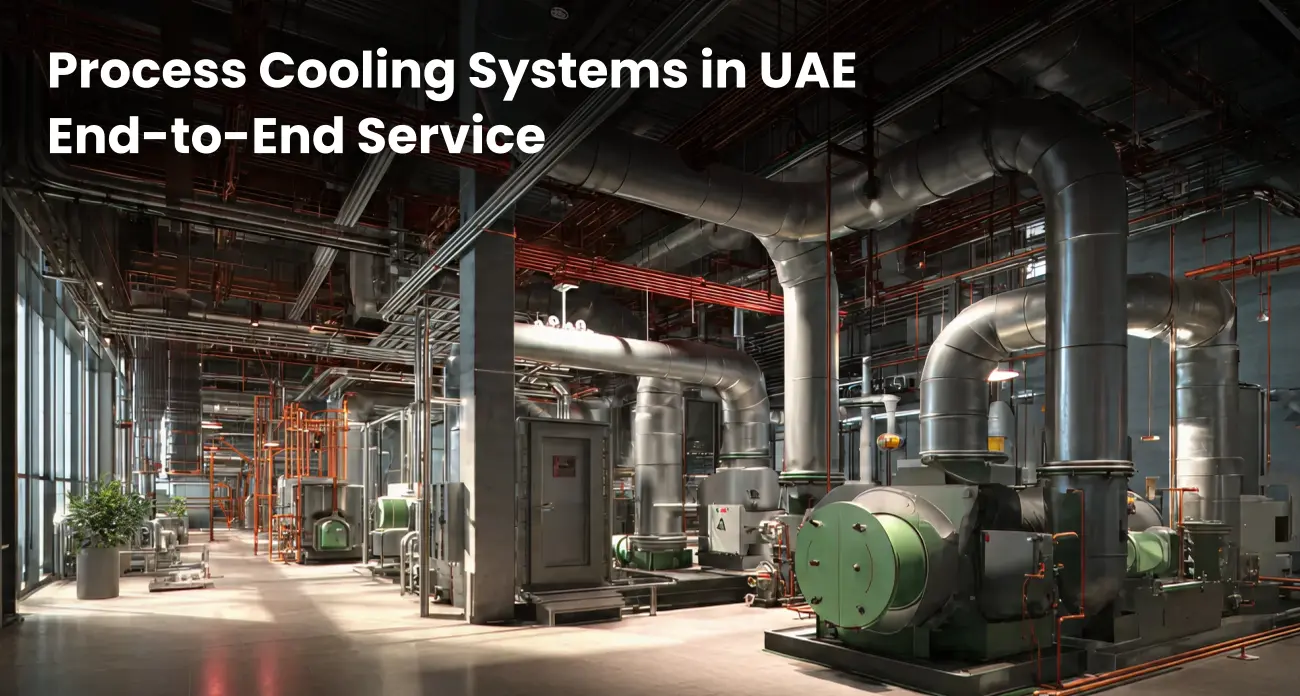
- AHUs (Air Handling Units)
- Commercial-grade heat pumps
- Complex ductwork with multi-zone control
✔ Residential HVAC Layout
Homes generally use simple systems like:
- Split AC units
- Small heat pumps
- Ducted or ductless systems
- Basic ventilation setups
Because residential spaces are smaller, the ductwork, wiring, and mechanical ventilation needs are minimal.
Equipment Type Differences (AHU vs FCU, Chillers, Compressors, etc.)
Commercial and residential equipment also differs drastically:
Commercial HVAC Equipment Types
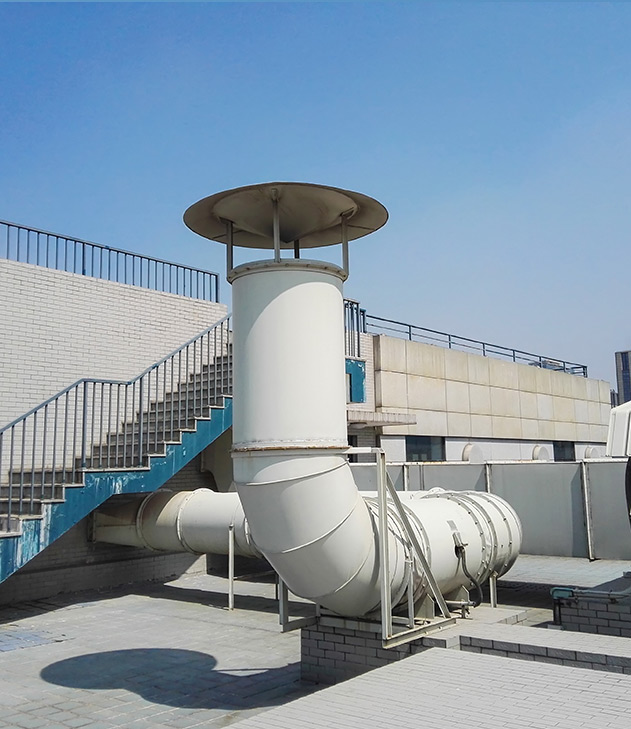
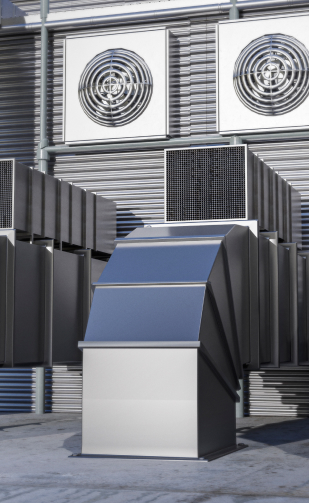
- Rooftop HVAC units (RTUs)
- Commercial chillers
- Packaged units
- AHUs with VAV boxes
- Large-scale heat pumps
Residential HVAC Equipment
- Split AC systems
- Window ACs
- Small ducted units
- FCUs (Fan Coil Units)
Commercial Chillers vs Residential AC
- Commercial chillers cool water and distribute it through AHUs
- Residential ACs cool air directly inside the room
HVAC Compressor Types
Commercial systems use larger, more durable compressors such as:
- Scroll
- Screw
- Centrifugal
Residential units mostly use small scroll compressors optimized for quiet operation.
HVAC Zoning Differences
Residential Zoning
Usually 1–2 zones for:
- Living areas
- Bedrooms
Commercial Zoning
Can have dozens of zones, each with different temperature needs—for example:
- Office cabins
- Server rooms
- Conference halls
- Retail floors
- Kitchens
- Storage areas
Zoning affects energy usage, airflow, and ventilation design, making commercial systems far more intricate.
HVAC Load Requirements & Electrical Differences
Commercial buildings require significantly higher:
- Cooling load capacity
- Heating load capacity
- Ventilation airflow
- Electrical power supply
Residential buildings use low-power systems that draw from standard household electrical circuits.
Commercial HVAC must be designed to handle constant operational loads for 8–24 hours a day, depending on the building type.
Installation Requirements: Commercial vs Residential
Commercial HVAC Installation Requirements
- Structural reinforcement for large units
- Rooftop installation capability
- Complex ductwork planning
- Heavy-duty electrical wiring
- Ventilation compliance
- Access for future repairs and upgrades
Residential HVAC Installation Standards
- Basic indoor & outdoor positioning
- Minimal ductwork
- Small piping and wiring
- Quick installation process
A commercial HVAC installation service typically involves engineers, technicians, safety inspectors, and specialized contractors, while residential installation is simpler and faster.
Mechanical Ventilation: How It Differs
Residential Mechanical Ventilation
- Bathroom exhaust fans
- Kitchen chimneys
- Fresh air supply for ducted ACs
Commercial Mechanical Ventilation
- AHU ventilation
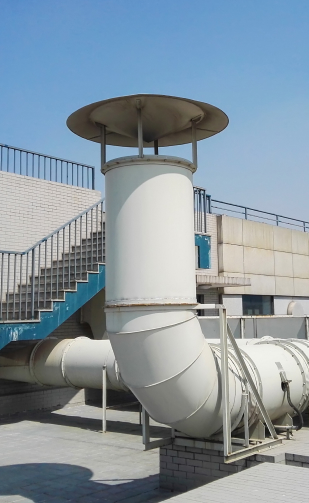
- Exhaust ducts for washrooms, kitchens, manufacturing zones
- Fresh air intakes
- Fire smoke extraction systems
- Clean-room ventilation (for labs, hospitals, factories)
This alone makes the engineering complexity far higher in commercial spaces.
Maintenance Requirements & Repair Cost Differences
Commercial HVAC Maintenance Schedule
- Monthly inspections
- Filter replacements
- Coil cleaning
- Duct testing
- Compressor checks
- Energy performance audits
Commercial HVAC maintenance contracts are common to ensure uptime and safety.
Residential HVAC Maintenance
- Seasonal servicing
- Filter cleaning
- Basic repairs
HVAC Service Frequency
- Commercial: High frequency (monthly/quarterly)
- Residential: Low frequency (semi-annual/annual)
HVAC Repair Costs Comparison
Commercial repairs cost significantly more because:
- Parts are expensive
- Labor requires specialized expertise
- Systems are larger and more complex
Energy Efficiency: Commercial vs Residential HVAC
Commercial HVAC Energy Efficiency
Modern systems use:
- Variable-speed compressors
- Smart thermostats
- Energy recovery systems
- Building management systems (BMS)
- Economizers for fresh air cooling
Residential HVAC Energy Efficiency
Homes use:
- Inverter ACs
- Basic thermostats
- Smaller cooling loads
Commercial units are more efficient per square foot, but require much more energy overall due to scale.
Refrigerants Used in Commercial vs Residential HVAC
Commercial systems often use refrigerants like:
- R-410A
- R-134a
- R-1234yf
- R-32 (in newer systems)
Residential systems primarily use:
- R-32
- R-410A
Commercial refrigerants have stricter environmental compliance due to larger quantities and higher cooling capacity.
Is Commercial HVAC More Powerful Than Residential?
Yes—commercial HVAC is designed to cool and heat larger areas for longer periods.
They often run continuously and must withstand intense operational conditions. Residential systems simply don’t have this capacity.
Why Is Commercial HVAC More Expensive?
Commercial HVAC is costlier because it requires:
- Larger, more durable equipment
- Advanced engineering
- Skilled installation teams
- Extended ventilation systems
- High-efficiency components
- Long-term maintenance support
It’s a long-term investment for businesses that rely on consistent indoor climate control.
Choosing the Right System: When to Go Commercial or Residential
Choose Commercial HVAC if you have:
- Offices
- Retail stores
- Restaurants
- Warehouses
- Manufacturing units
- Hotels
- Multi-floor commercial buildings
Choose Residential HVAC if you have:
- Homes
- Apartments
- Small villas
- Small offices (< 1000 sq. ft.)
Final Thoughts: Which One Is Better?
Neither system is “better”—they are simply built for different purposes.
Commercial HVAC is designed for durability, zoning, and continuous usage, while residential HVAC focuses on comfort, simplicity, and affordability.
Understanding these differences helps you choose the right system, plan your budget, and ensure long-term performance—whether it’s for your home or your business.