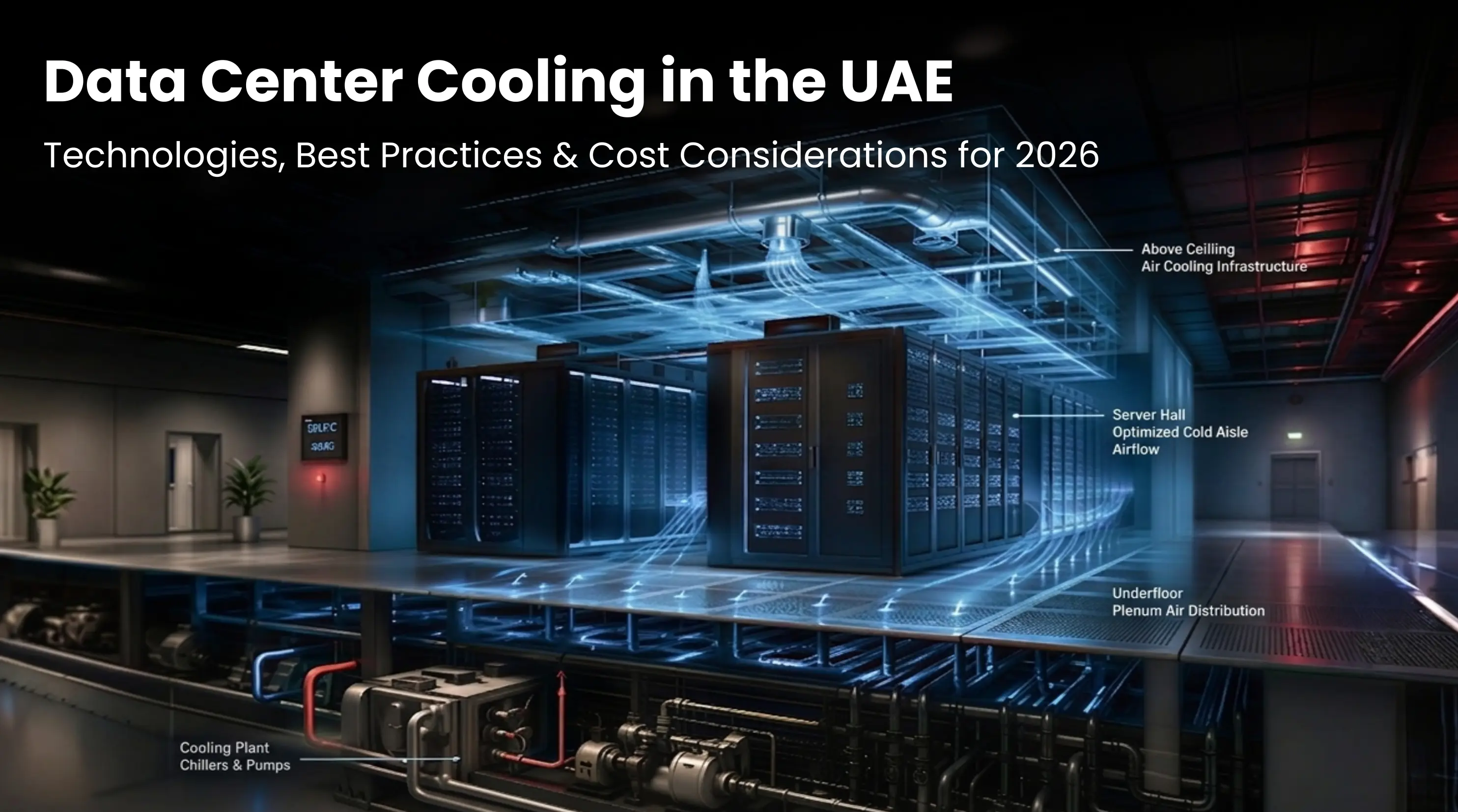
With the rapid expansion of digital infrastructure and cloud-driven ecosystems, the demand for highly reliable and energy-efficient data center cooling solutions continues to increase significantly. From cloud computing and smart city projects to banking and telecom operations, modern data centers require advanced cooling systems to maintain stable performance in extreme regional temperatures.
With rising energy costs and increasing sustainability goals, businesses are now investing in smarter and more efficient cooling technologies for 2026 and beyond.
What is Data Center Cooling?
Data center cooling refers to the systems and technologies used to regulate temperature, humidity, and airflow inside server rooms and data facilities.
Servers generate significant heat during operation. Inadequate thermal regulation can result in excessive heat accumulation, potentially leading to system instability, equipment degradation, operational downtime, and reduced infrastructure reliability:
- System failures
- Downtime
- Reduced equipment lifespan
- Increased operational costs
Modern data center cooling systems are designed to maintain stable temperature controlled environments for mission-critical operations.
Why is Cooling Important in Data Centers?
Cooling is essential because high-performance servers continuously produce heat. In the UAE’s hot climate, maintaining thermal stability becomes even more important.
Effective data center thermal management helps:
- Protect sensitive IT infrastructure
- Improve operational reliability
- Reduce energy consumption
- Maintain system uptime
- Support cooling efficiency optimization
For enterprise facilities, telecom operators, and hyperscale cloud providers, reliable cooling is a critical operational requirement.
Challenges of Data Center Cooling in the UAE
Modern climatic conditions and high-performance digital infrastructure create significant cooling challenges due to:
- High ambient temperatures
- Continuous cooling demand
- Rising power consumption
- High-density server environments
This is why businesses increasingly adopt energy efficient data center cooling and advanced thermal management technologies.
Modern data center cooling solutions focus on sustainability, performance, and energy optimization.
Best Data Center Cooling Technologies in UAE for 2026
1. Precision Cooling Systems
Precision cooling systems are engineered specifically for server rooms and data center environments where precise regulation of temperature and humidity is essential for maintaining operational reliability and infrastructure stability.
These systems provide:
- Continuous temperature regulation
- Better airflow control
- Higher cooling efficiency
- Reduced energy waste
Modern precision air conditioning systems are widely used in:
- Enterprise server rooms
- Banking infrastructure
- Government facilities
- Telecom operations
2. Air Cooling Systems
Air cooling remains one of the most commonly used commercial data center cooling methods.
Popular Air Cooling Technologies:
- CRAC Units (Computer Room Air Conditioning)
- CRAH Systems (Computer Room Air Handling)
- Raised floor cooling systems
These systems improve airflow optimization and support efficient cooling distribution throughout server rooms.
Hot Aisle / Cold Aisle Containment
One of the most effective data center cooling best practices is implementing hot aisle cold aisle containment.
This strategy separates hot exhaust air from cooled intake air, helping reduce cooling losses and improve efficiency.
3. Liquid Cooling Technologies
As server density increases, many organizations are adopting liquid cooling systems for better thermal performance.
Advanced Liquid Cooling Solutions:
- Liquid immersion cooling
- Direct-to-chip cooling
- Water cooled data center systems
In comparison with conventional air-based cooling methodologies, liquid cooling technologies provide superior thermal transfer efficiency, enhanced high-density heat management, and improved energy optimization capabilities.
- Better heat transfer efficiency
- Lower energy usage
- Improved high-density server cooling
This makes liquid cooling ideal for hyperscale and AI-driven data centers.
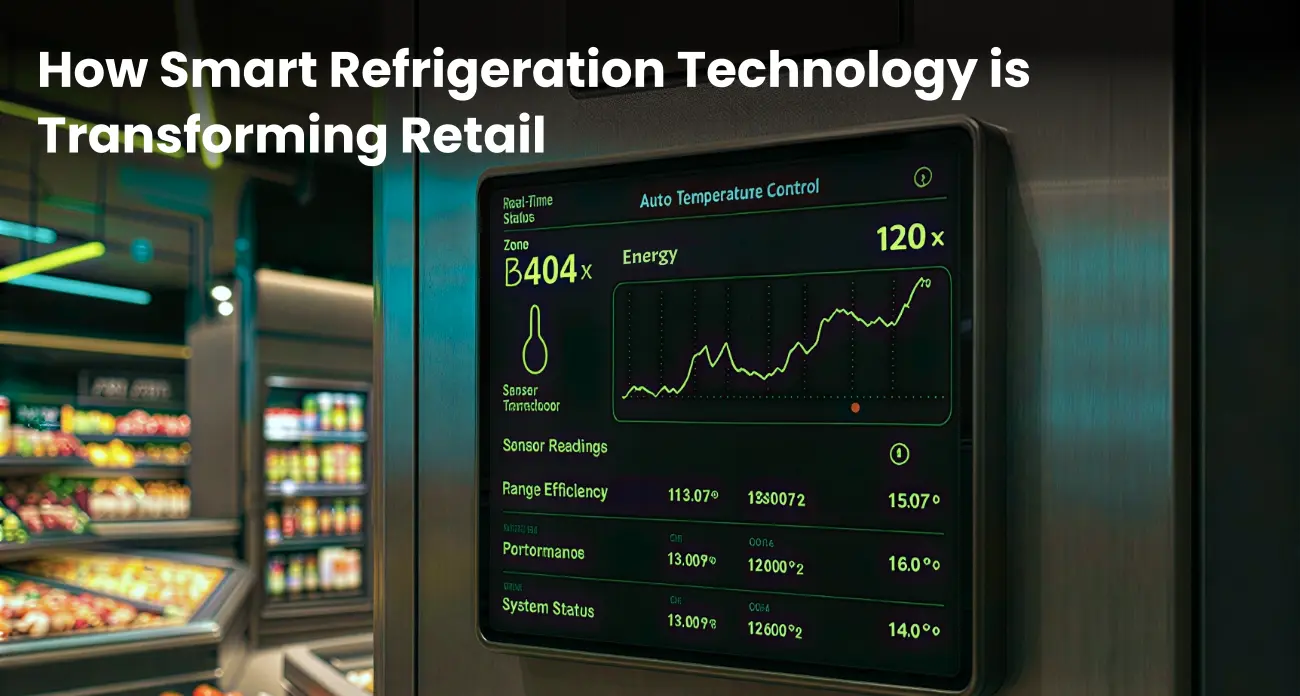
4. Smart Cooling Technology
The future of intelligent cooling systems for data centers is increasingly being shaped by automation, artificial intelligence, and predictive optimization technologies designed to enhance thermal efficiency and operational resilience.
Smart Cooling Features:
- AI-based cooling management
- IoT cooling monitoring systems
- Automated thermal management
- Intelligent cooling management platforms
These technologies continuously monitor thermal loads and optimize cooling performance in real time.
Modern smart HVAC systems for data centers help reduce operational costs while improving reliability.
Data Center Cooling Best Practices
To improve efficiency and reduce operating expenses, businesses should follow structured cooling best practices.
Optimize Airflow Management
Proper airflow distribution is essential for cooling efficiency.
Best Practices:
- Avoid airflow obstructions
- Implement containment systems
- Maintain proper server spacing
This improves cooling infrastructure optimization and supports consistent performance.
Use Redundant Cooling Systems
Mission-critical environments require backup cooling systems to prevent downtime.
Cooling Redundancy Systems Include:
- Backup CRAC units
- Dual power supply systems
- Emergency cooling support
Reliable mission critical cooling systems are essential for enterprise operations.
Monitor Thermal Load Continuously
Continuous thermal load management plays a critical role in mitigating overheating risks while simultaneously enhancing energy efficiency and overall operational stability within data center environments.
Modern monitoring systems provide:
- Real-time temperature analysis
- Cooling efficiency tracking
- Predictive maintenance alerts
Focus on Energy Optimization
Reducing energy usage is becoming a top priority for UAE businesses.
Energy Optimization Strategies:
- High-efficiency cooling equipment
- Variable speed drives
- Smart cooling automation
- Low energy cooling systems
These solutions support green data center cooling technology and sustainability goals.
Comparative Analysis of Liquid Cooling and Air Cooling Technologies for Data Center Environments
Businesses often ask: Which cooling system is best for data centers in the UAE?
The answer depends on infrastructure size, server density, and operational requirements.
| Cooling Type | Advantages | Best Use |
|---|---|---|
| Air Cooling | Lower setup cost, simpler maintenance | Small to medium data centers |
| Liquid Cooling | Higher efficiency, better heat removal | High-density and hyperscale facilities |
A growing number of organizations are adopting integrated cooling architectures that combine multiple thermal management methodologies to achieve an optimal balance of operational efficiency, thermal stability, and scalable infrastructure performance.
Data Center Cooling Cost in UAE 2026
The data center cooling operational cost depends on several factors:
- Facility size
- Server density
- Cooling technology used
- Energy efficiency requirements
- Redundancy systems
While advanced cooling technologies may involve higher initial investment, they often deliver better cooling ROI for data centers through reduced energy consumption and improved operational efficiency.
Applications Across Industries
Enterprise & Cloud
Large cloud providers use hyperscale data center cooling and advanced thermal management systems for reliable infrastructure performance.
Telecom & Banking
Financial institutions and telecom operators require highly reliable enterprise server cooling systems to ensure uninterrupted services.
Government & Smart Cities
As the UAE expands smart city infrastructure, government data center cooling solutions are becoming increasingly important for secure digital operations.
Conclusion
The future of data center cooling is centered on efficiency, sustainability, and intelligent thermal management. As digital infrastructure grows across the UAE, businesses must adopt advanced cooling technologies that can handle increasing thermal demands while reducing operational costs.
From precision cooling systems and liquid immersion cooling to AI-driven smart cooling platforms, modern solutions are transforming how UAE data centers manage performance and energy efficiency.
Investing in optimized cooling infrastructure today will help organizations achieve long-term operational stability, sustainability, and scalable growth in 2026 and beyond.
Frequently Asked Questions (FAQs)
What is data center cooling?
It is the process of regulating temperature, airflow, and humidity inside data centers to protect servers and IT equipment from overheating.
Which cooling system is best for data centers in the UAE?
Both precision air cooling and liquid cooling systems are effective, depending on server density and operational requirements.
How do UAE data centers manage extreme heat?
They use advanced thermal management systems, containment strategies, precision cooling, and intelligent monitoring technologies.
What is precision cooling in data centers?
Precision cooling is a specialized cooling method that provides accurate temperature and humidity control for sensitive IT environments.