Designing Scalable, Energy-Efficient Cold Storage for GCC Industries
The GCC’s food, pharmaceutical, retail, hospitality and logistics sectors depend on reliable temperature-controlled storage to protect products throughout the cold chain. As businesses expand and storage requirements change, modular cold storage solutions in the GCC offer a flexible alternative to conventional, permanently constructed cold-storage facilities.
A modular cold room can be designed, manufactured, installed and expanded according to the required storage capacity, temperature range and application. These systems are widely used for storing chilled and frozen foods, pharmaceuticals, dairy products, meat, seafood and fresh produce, as well as in supermarkets, restaurants, hotels and cold-chain logistics.
What Are Modular Cold Storage Solutions?
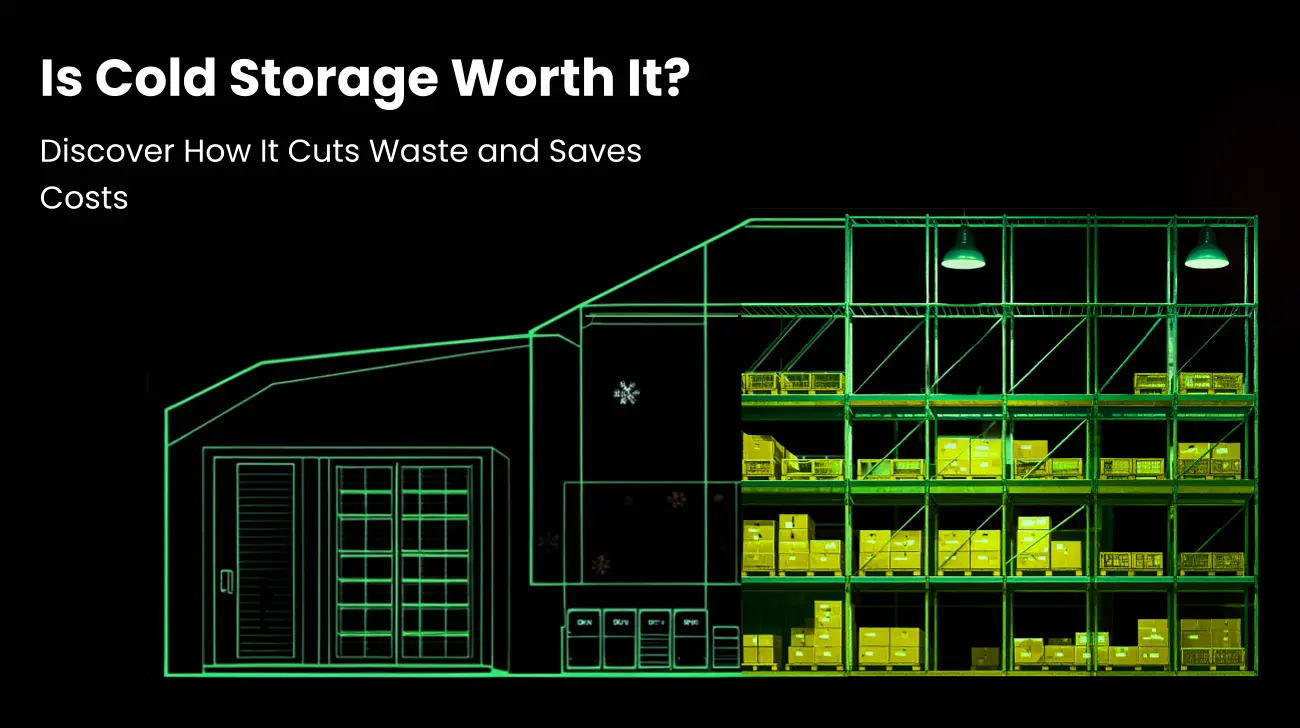
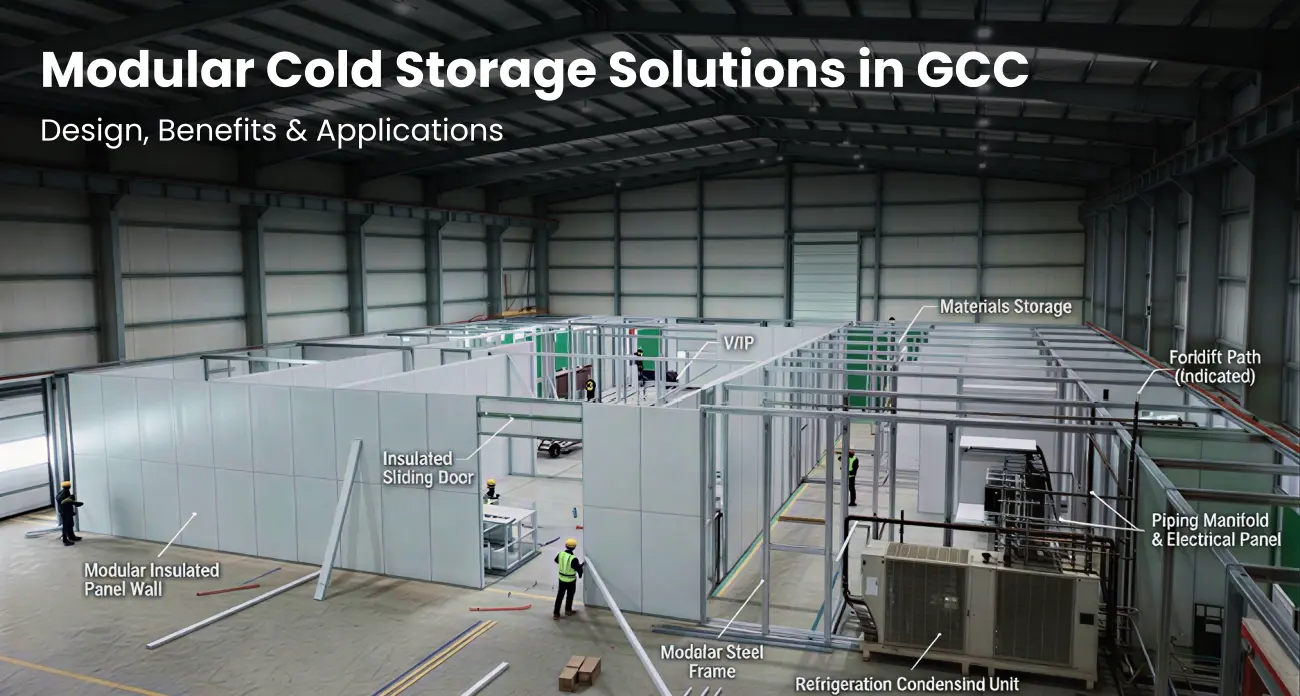
Modular cold storage solutions are prefabricated temperature-controlled rooms constructed using insulated panels, refrigeration equipment, doors and temperature-control systems. Unlike conventional cold-storage buildings, modular systems can be configured for specific dimensions and operational requirements.
The modular approach allows businesses to select the required room size, insulation specification, refrigeration capacity, temperature range and internal configuration. Additional modules can also be incorporated when storage demand increases.
This makes modular cold rooms particularly useful in the GCC, where businesses may need scalable refrigeration infrastructure without undertaking extensive permanent construction.
Why Is Modular Cold Storage Important in the GCC?
The GCC has a demanding environment for temperature-controlled storage. High ambient temperatures and the continuous operation of refrigeration equipment can increase cooling loads and energy consumption.
A properly designed cold storage facility therefore needs to address several factors, including:
- High outdoor temperatures
- Heat transfer through walls, ceilings and floors
- Frequent door opening
- Product loading temperatures
- Required storage temperature
- Refrigeration capacity
- Insulation performance
- Air circulation
- Condensation and humidity
- Energy efficiency
- Operational and maintenance requirements
A well-engineered modular cold room helps create a controlled internal environment while reducing unnecessary heat gain.
Modular Cold Room Design: Key Considerations
Modular cold room design begins with the product, required temperature and storage capacity. The refrigeration system and room construction should then be selected around these operating requirements.
Important design considerations include:
1. Storage Capacity
The required room dimensions depend on product volume, pallet configuration, shelving, aisle requirements and expected future growth.
Designing only for current demand can create capacity constraints later. A modular system can instead be planned with expansion in mind.
2. Temperature Requirements
Different products require different storage conditions. Chilled products generally require temperatures above freezing, while frozen products require substantially lower temperatures.
The design should consider not only the desired room temperature but also the temperature of incoming products and the frequency of loading and unloading.
3. Insulation
Cold room insulation panels are fundamental to refrigeration efficiency. PUF and PIR insulated panels are commonly considered for cold-storage applications because they provide thermal insulation while supporting modular construction.
Panel thickness and specification should be selected according to the operating temperature, ambient conditions and application.
4. Cold Room Doors
Cold room doors should provide an effective thermal barrier while allowing efficient movement of personnel, products and equipment.
The choice may include hinged or sliding doors, depending on room dimensions, traffic levels and operational requirements.
5. Refrigeration System
The refrigeration system must be appropriately sized for the room volume, target temperature, product load, ambient conditions and expected operating cycle.
Oversizing or undersizing refrigeration equipment can affect energy consumption, temperature stability and equipment performance.
Why Choose Modular Cold Storage for Temperature-Controlled Applications?
Modular cold storage offers several practical advantages for businesses operating in the GCC.
Flexible Installation
Prefabricated components can simplify installation compared with conventional construction. Businesses can establish temperature-controlled storage without building an entirely new permanent structure.
Scalable Capacity
When storage requirements increase, the facility can potentially be expanded or reconfigured rather than completely rebuilt.
Faster Deployment
Because major components are manufactured as prefabricated panels and equipment packages, modular cold rooms can generally be deployed more efficiently than traditional construction projects, subject to site conditions and project complexity.
Better Space Utilisation
Modular systems can be configured according to available floor space. This makes them suitable for warehouses, food-processing facilities, supermarkets, hotels and other commercial environments where space is limited.
Controlled Operating Conditions
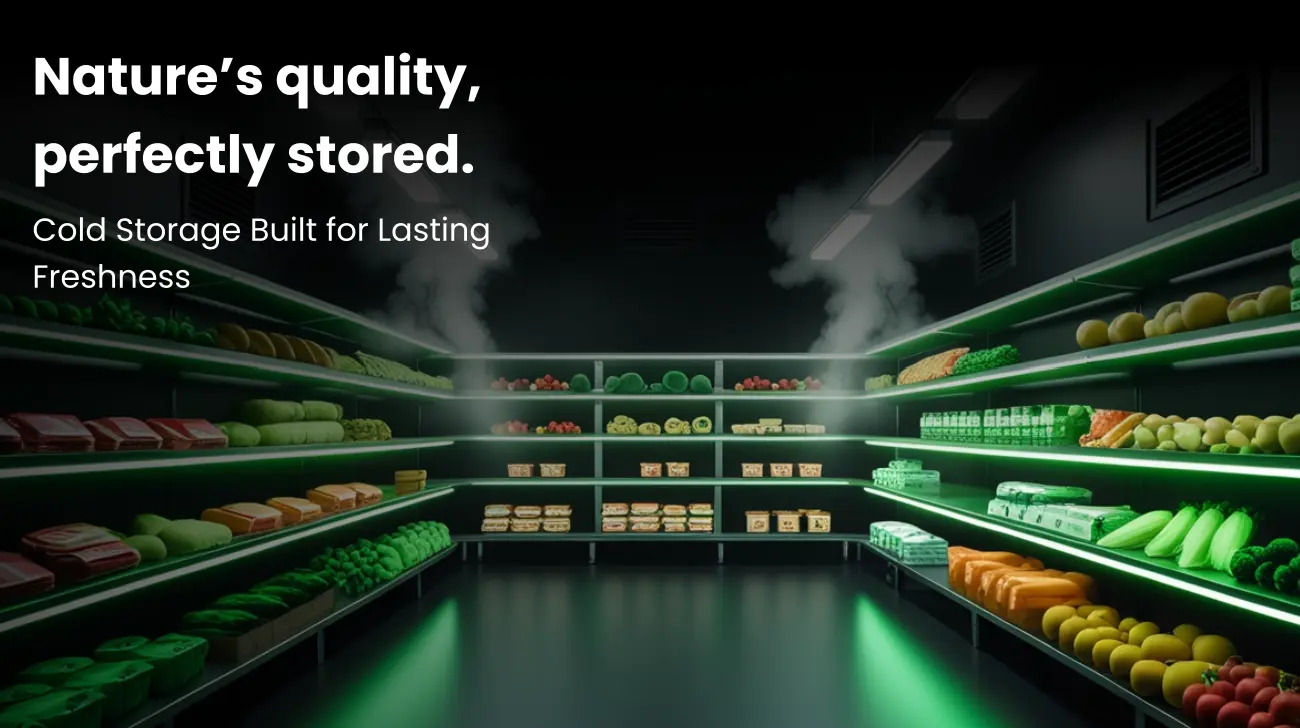
A properly designed cold room provides a controlled environment for temperature-sensitive products and helps maintain consistent storage conditions.
Potential Energy Efficiency
Effective insulation, correctly sized refrigeration capacity, well-sealed doors and precise temperature management can minimise unnecessary cooling losses. Energy performance, however, depends on the complete system design and operating practices.
Applications of Modular Cold Storage in the GCC
Modular cold storage solutions serve a wide range of industries.
Food and Beverage
Food businesses use cold rooms to store products such as meat, seafood, dairy products, frozen foods, beverages, fruits and vegetables.
Temperature-controlled storage helps maintain product quality and supports cold-chain operations from processing and distribution to retail.
Food Processing
Food-processing facilities may require separate areas for raw materials, finished products and frozen or chilled goods. Modular cold rooms can be configured according to individual production and storage requirements.
Pharmaceutical and Healthcare
Pharmaceutical cold storage requires precise temperature control, continuous monitoring and reliable refrigeration to maintain the required storage conditions for temperature-sensitive medicines and healthcare products. Modular cold rooms can support the controlled storage of temperature-sensitive medicines, healthcare products and other regulated materials when designed and operated according to the applicable requirements.
Supermarkets and Retail
Supermarkets often require multiple temperature-controlled environments for frozen foods, dairy products, meat, seafood, fresh produce and back-of-house inventory.
Modular refrigeration rooms can provide dedicated storage without requiring major structural changes to the retail facility.
Hospitality
Hotels, restaurants, catering companies and commercial kitchens require reliable chilled and frozen storage for ingredients and prepared food.
Modular cold rooms can provide additional capacity where standard commercial refrigerators are insufficient.
Cold-Chain Logistics
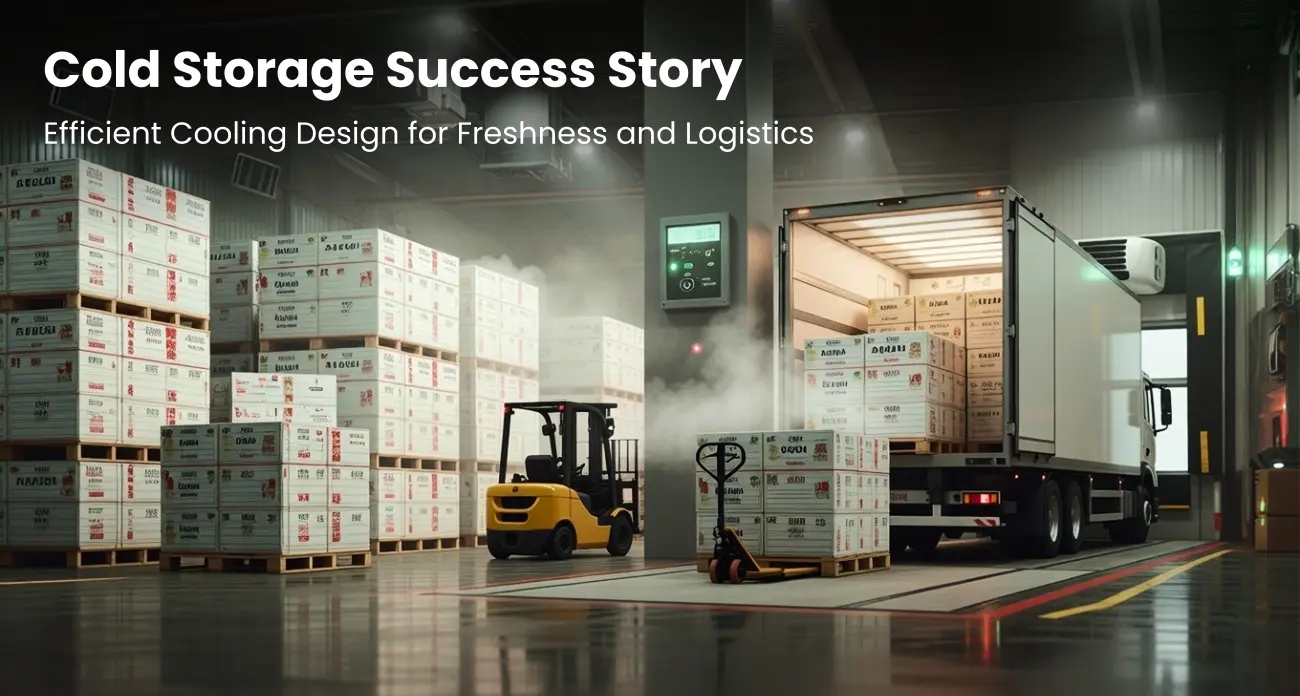
Logistics companies need temperature-controlled facilities for temporary storage and distribution. Modular cold storage can provide flexible capacity at warehouses, distribution centres and other strategic locations.
How Does Modular Cold Storage Improve Energy Efficiency?
Energy efficiency is particularly important in the GCC because refrigeration systems may operate under demanding ambient conditions.
Several factors influence energy performance:
- High-quality insulated panels
- Correct insulation thickness
- Properly sealed doors
- Efficient refrigeration equipment
- Appropriate evaporator selection
- Effective condenser heat rejection
- Accurate temperature controls
- Regular equipment maintenance
- Reduced unnecessary door opening
- Proper product loading practices
However, energy efficiency should be evaluated at the system level, rather than by considering insulation or refrigeration equipment in isolation.
A professional cold-storage design should calculate the expected cooling load and select equipment accordingly.
Modular Cold Storage Installation in GCC
A successful modular cold-storage installation requires more than assembling insulated panels. The project should consider the building structure, electrical supply, refrigeration equipment location, drainage, ventilation, access, safety and maintenance requirements.
The typical process includes:
- Assessing the site and available space.
- Defining storage capacity and temperature requirements.
- Calculating the refrigeration load.
- Selecting insulation panels and room construction.
- Choosing refrigeration and control equipment.
- Installing doors, lighting and accessories.
- Commissioning the refrigeration system.
- Testing temperature stability and operating performance.
- Establishing maintenance and monitoring procedures.
The exact installation process varies according to the application, room size, refrigeration configuration and site conditions.
Why Choose a Modular Approach for Future Expansion?
Businesses rarely have static storage requirements. Food distributors may increase inventory, pharmaceutical companies may expand distribution, and retailers may open additional locations.
A modular cold-storage strategy allows businesses to plan for future capacity instead of treating the initial installation as a fixed infrastructure investment.
Expansion may involve increasing storage volume, adding separate temperature zones or introducing additional refrigeration capacity, depending on the original system design and available site space.
This makes scalable cold storage particularly relevant for growing businesses across the GCC.
Conclusion
Modular cold storage solutions in the GCC provide businesses with a flexible, scalable and application-specific approach to temperature-controlled storage. From food and beverage and pharmaceutical storage to supermarkets, hospitality and cold-chain logistics, modular cold rooms can be designed around specific capacity, temperature and operational requirements.
The most important factors are not simply room size or refrigeration capacity. Effective cold room design requires an integrated approach covering insulation, refrigeration, temperature control, energy efficiency, access, product handling and future expansion.
For GCC businesses planning new or additional temperature-controlled storage, a modular approach can provide the flexibility needed to respond to changing operational requirements while supporting reliable cold-chain performance.
Frequently Asked Questions (FAQs)
1. What are modular cold storage solutions in the GCC?
Modular cold storage solutions are prefabricated temperature-controlled rooms designed to meet specific storage requirements. They typically combine insulated panels, refrigeration equipment, cold room doors and temperature-control systems. In the GCC, these systems are used across food processing, retail, hospitality, pharmaceuticals, healthcare and cold-chain logistics.
2. What factors should be considered when designing a modular cold room in the GCC?
A modular cold room should be designed according to storage capacity, required temperature, product type, ambient conditions, insulation performance, refrigeration load, door usage, airflow and future expansion requirements. GCC projects also need to account for high outdoor temperatures, which can increase the cooling load and influence refrigeration-system selection.
3. What are the main benefits of modular cold storage for GCC businesses?
The principal benefits include flexible installation, scalable storage capacity, efficient use of available space and easier adaptation to changing operational requirements. When properly engineered, modular cold rooms can also provide reliable temperature control and support energy-efficient operation in demanding GCC climatic conditions.
4. Which industries use modular cold storage systems in the GCC?
Modular cold storage is used across food and beverage, food processing, pharmaceuticals, healthcare, supermarkets, hospitality, agriculture, distribution and cold-chain logistics. The configuration and temperature range can be adapted to the requirements of each application, from chilled food storage to frozen and temperature-sensitive products.
5. Can modular cold storage be expanded as storage requirements increase?
Yes. One of the key advantages of modular cold storage is its potential for expansion or reconfiguration. Additional storage capacity or temperature-controlled zones can often be incorporated when the original design, available space and refrigeration infrastructure allow it. Planning for future expansion at the initial design stage can make subsequent upgrades more practical and cost-effective.
6. Why is Thermodynamics ME considered a leading modular cold storage solutions provider in the GCC?
Thermodynamics ME provides customised cold storage solutions combining application-specific design, insulated cold-room systems, refrigeration equipment, installation and ongoing technical support. Its portfolio includes modular and skid-mounted cold rooms, walk-in chillers and freezers, and large industrial cold-storage facilities for sectors such as food and beverage, pharmaceuticals, healthcare, hospitality and cold-chain logistics. The company also works with established refrigeration and equipment brands and provides turnkey design, supply, installation and maintenance services, making it a strong choice for businesses seeking reliable and scalable cold storage solutions in the GCC.