Food Safety Compliance for Commercial Freezers: UAE & GCC Guide
In today’s highly regulated food industry, food safety compliance for commercial freezers is not optional—it is a legal, operational, and reputational necessity. Whether you run a restaurant, hotel kitchen, cloud kitchen, supermarket, or pharmaceutical cold storage unit, maintaining compliant freezer systems across the UAE and GCC ensures safe consumption, audit readiness, and business continuity.
This guide simplifies commercial freezer regulations in the UAE, aligns with GCC food safety standards for refrigeration, and helps you stay inspection-ready at all times.
Why Food Safety Compliance Matters in Commercial Freezers
Improper freezer management can lead to contamination, spoilage, and severe penalties. Authorities such as Dubai Municipality and Abu Dhabi Agriculture and Food Safety Authority enforce strict food storage compliance in UAE commercial kitchens.
Key risks of non-compliance:
- Bacterial growth due to temperature fluctuations
- Cross-contamination in poorly organized storage
- Legal penalties, fines, or business closure
- Loss of customer trust and brand reputation
What Is the Required Freezer Temperature in UAE?
According to UAE municipality food safety guidelines for freezers:
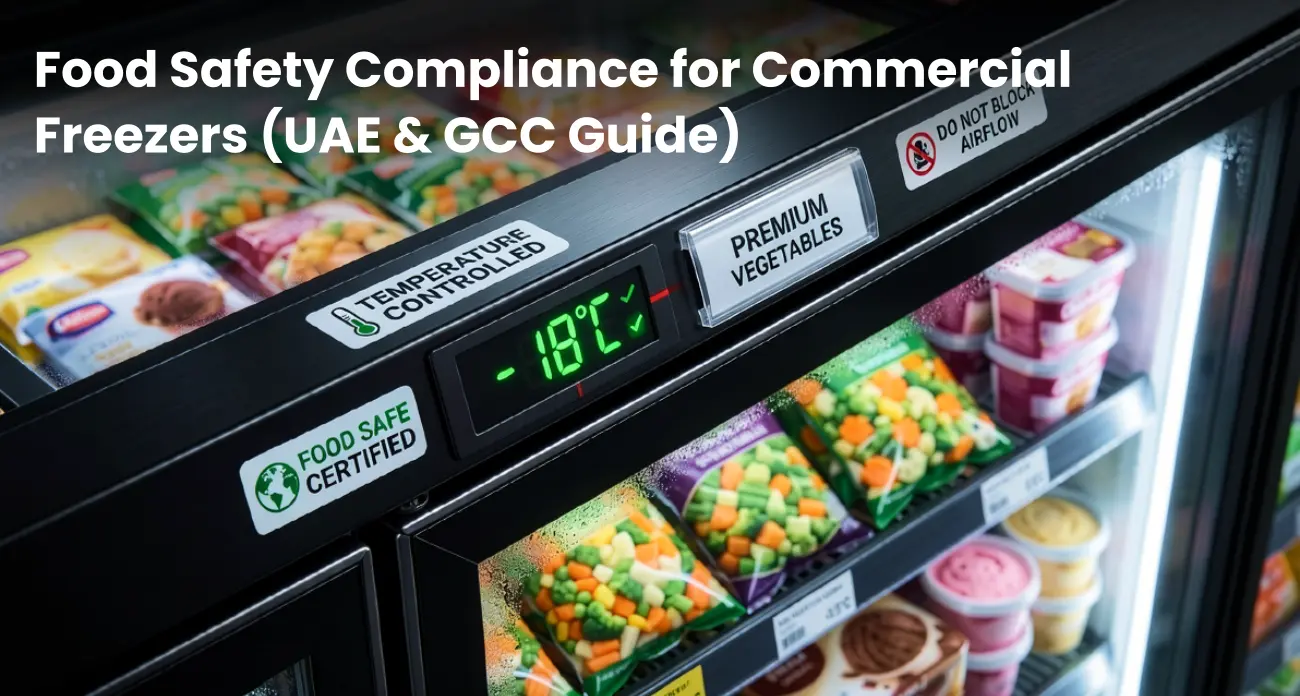
- Standard freezer temperature: -18°C or below
- Blast freezer standards (GCC): Rapid freezing to -35°C or lower for certain food categories
- Temperature consistency: No frequent fluctuations
These benchmarks align with food preservation temperature guidelines in the UAE and ensure compliance with GCC freezer hygiene standards.
UAE & GCC Food Safety Regulations You Must Follow
1. Local Authority Guidelines
Each emirate has its own regulatory framework:
- Dubai: Strict adherence to the Dubai Municipality food safety code for freezers
- Abu Dhabi: ADAFSA freezer guidelines for food control and hygiene
- Sharjah: Cold storage regulations focusing on hygiene and monitoring
2. International Standards
To strengthen compliance, businesses follow:
- HACCP (Hazard Analysis Critical Control Points)
- ISO 22000 food safety management systems
These frameworks support cold chain compliance in commercial refrigeration and ensure end-to-end safety.
Core Compliance Requirements for Commercial Freezers
Temperature Monitoring & Logging
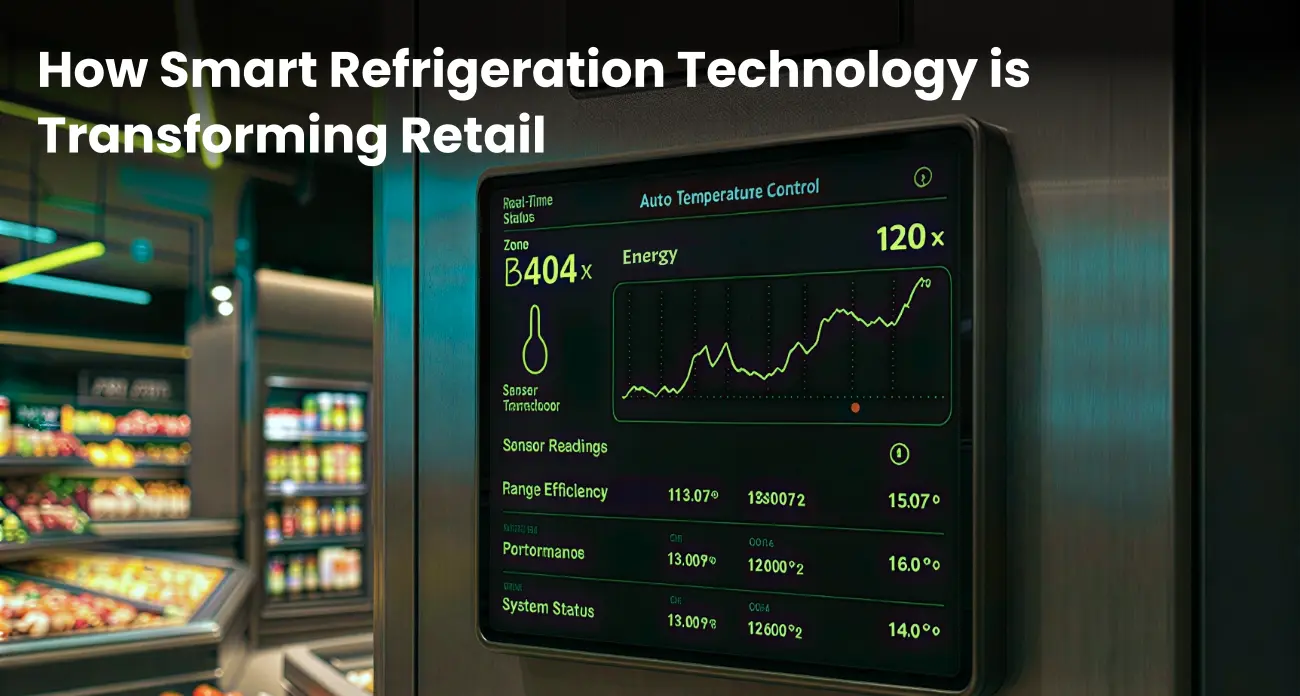
- Use digital temperature logging systems (HACCP UAE compliant)
- Maintain records for audits and inspections
- Install freezer alarm systems for real-time alerts
Hygiene & Storage Practices
- Follow FIFO (First-In-First-Out) inventory method
- Separate raw and cooked food
- Maintain freezer hygiene standards across GCC countries
Equipment & Maintenance
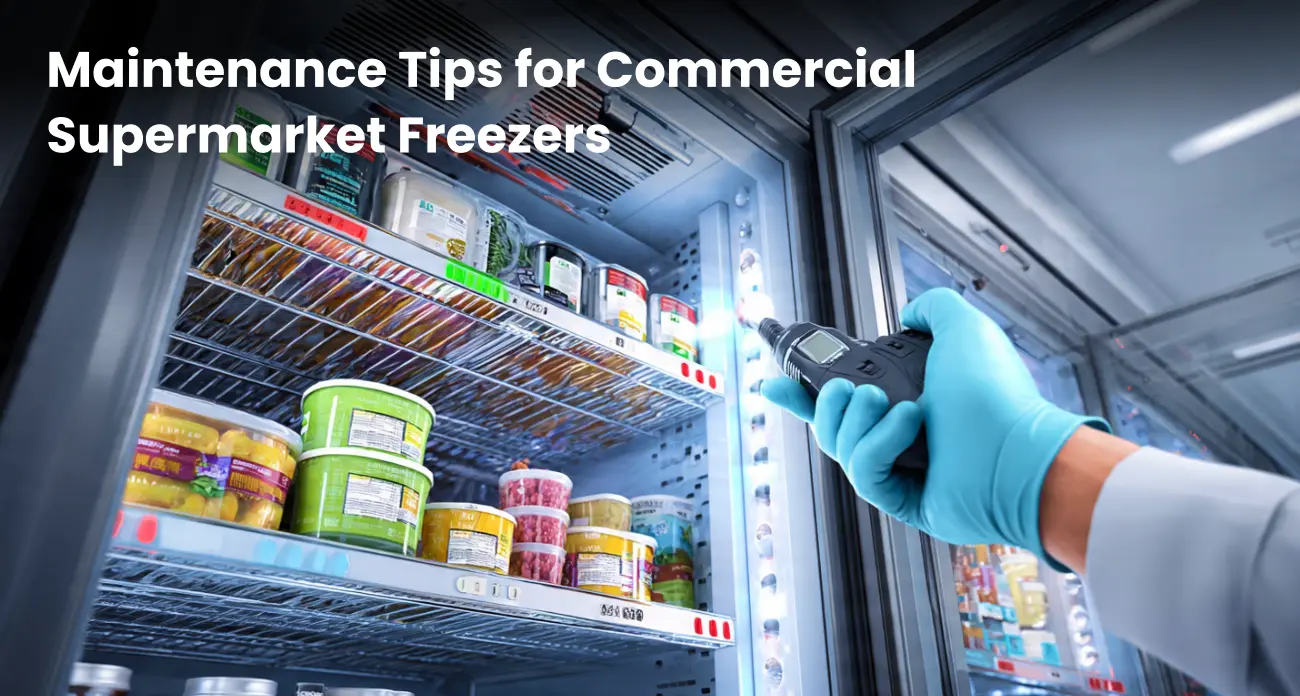
- Ensure regular servicing and calibration
- Avoid overloading to maintain airflow
- Use blast freezers where required for rapid cooling
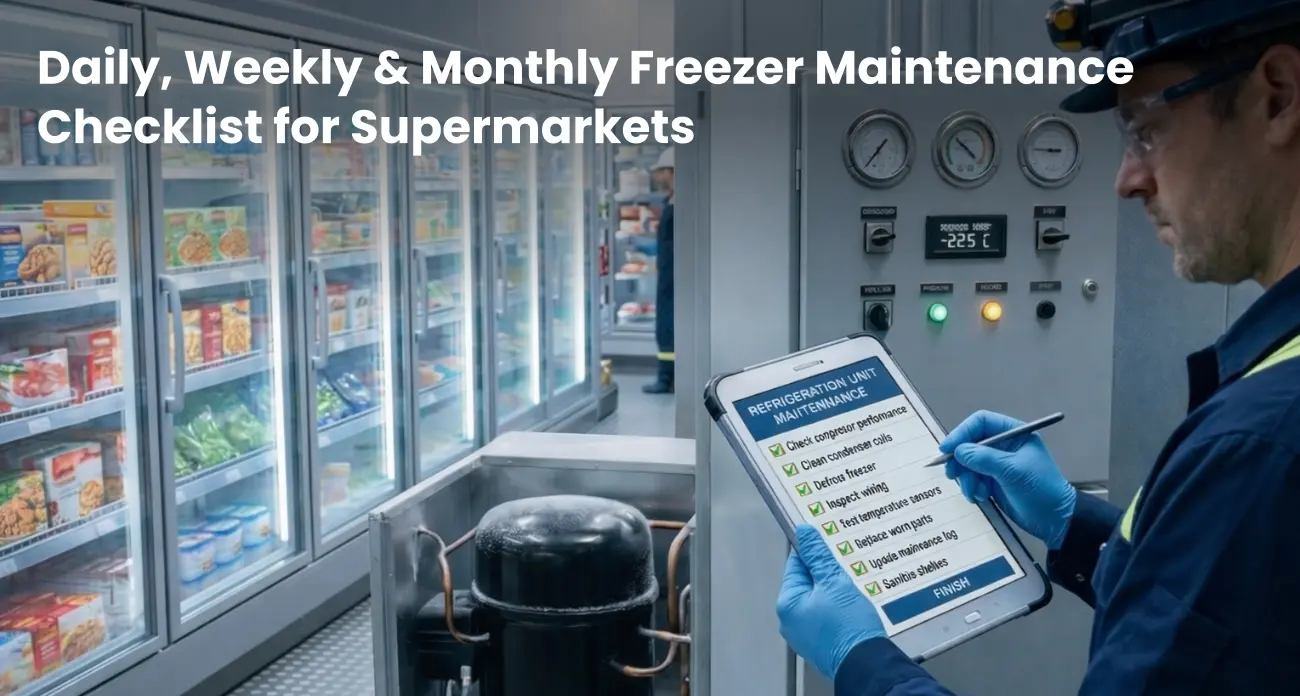
Commercial Freezer Compliance Checklist (UAE & GCC)
Use this audit-ready checklist to maintain compliance:
✔ Freezer temperature maintained at -18°C or below
✔ Daily temperature logs recorded digitally
✔ No cross-contamination between food categories
✔ Freezer cleaned and sanitized regularly
✔ Proper labeling with expiry dates
✔ Alarm systems installed and functional
✔ Backup power available for emergencies
✔ Staff trained in HACCP compliance
This checklist supports commercial freezer audit requirements across GCC and helps you pass inspections smoothly.
How to Maintain Food Safety in Commercial Freezers
Maintaining compliance is an ongoing process:
- Conduct routine inspections and internal audits
- Train staff on food safety risk management in cold storage
- Implement HACCP compliance steps for refrigeration systems
- Use smart monitoring tools for predictive maintenance
These practices are essential for hotel kitchen freezer safety standards in GCC and cloud kitchen food safety refrigeration in UAE.
Common Compliance Violations & Risks
Many businesses fail inspections due to avoidable mistakes:
- Inconsistent freezer temperatures
- Lack of digital temperature logging
- Poor hygiene and cleaning schedules
- Equipment malfunction without alarms
Consequences include:
- Heavy fines and penalties
- Temporary or permanent closure
- Food contamination risks affecting public health
Understanding what happens if freezer temperature is not maintained in UAE can help you avoid costly errors.
Industry-Specific Compliance Applications
Different sectors require tailored approaches:
- Restaurants & Hotels: Strict adherence to UAE food safety laws
- Seafood & Meat Storage: Precise temperature control for freshness
- Pharmaceutical Cold Storage (GCC): Advanced monitoring systems
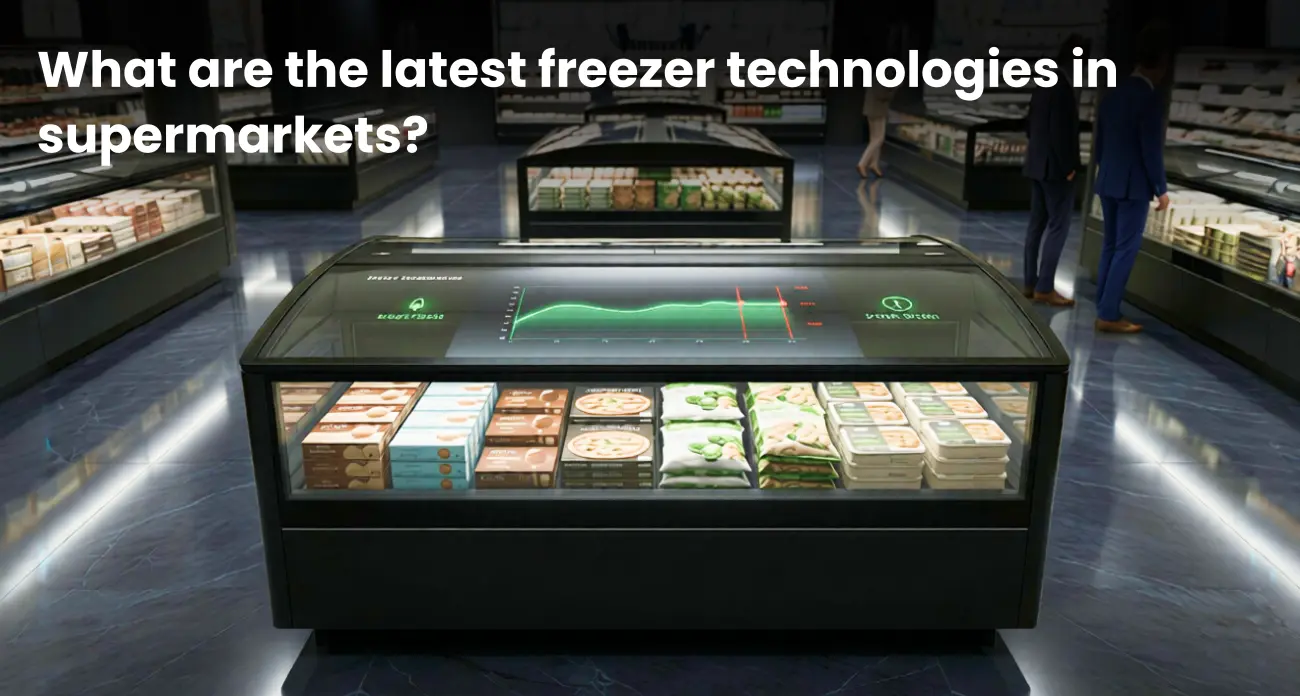
- Supermarkets: Continuous cold chain management
Each industry must align with food storage compliance standards in UAE commercial kitchens.
How to Pass Food Safety Inspection for Freezers in Dubai
To ensure a smooth inspection process:
- Maintain accurate digital temperature logs
- Follow Dubai Municipality food safety code strictly
- Ensure equipment calibration and maintenance
- Train staff on hygiene and compliance protocols
- Keep documentation ready for review
Proactive compliance increases your chances of passing inspections without penalties.
Final Thoughts
Food safety compliance for commercial freezers is more than a regulatory requirement—it’s a commitment to quality, safety, and trust. By aligning with UAE municipality guidelines, adopting GCC food safety standards, and implementing smart monitoring systems, your business can operate efficiently while staying fully compliant.
In a region where food safety is tightly regulated, businesses that invest in compliance today build stronger, more resilient operations for tomorrow.
FAQs
What is the required freezer temperature in UAE for food safety?
The required freezer temperature in the UAE is -18°C or below. This ensures proper food preservation and prevents bacterial growth, as mandated by authorities like Dubai Municipality.
How do UAE laws regulate commercial freezers in restaurants?
UAE laws require restaurants to follow strict food safety compliance, including temperature monitoring, hygiene practices, and HACCP-based systems. Authorities such as Abu Dhabi Agriculture and Food Safety Authority conduct inspections to ensure compliance.
What are GCC guidelines for cold storage compliance?
GCC food safety standards emphasize maintaining proper temperatures, preventing cross-contamination, ensuring cold chain integrity, and using monitored refrigeration systems aligned with HACCP and ISO 22000.
How can businesses pass food safety inspections for freezers in Dubai?
To pass inspections, businesses should maintain accurate temperature logs, follow hygiene protocols, ensure equipment functionality, and comply with Dubai Municipality food safety codes.
What happens if freezer temperature is not maintained in UAE?
Failure to maintain proper freezer temperature can lead to food spoilage, contamination risks, heavy fines, and even business closure under UAE food safety regulations.