What is Smart Refrigeration Technology
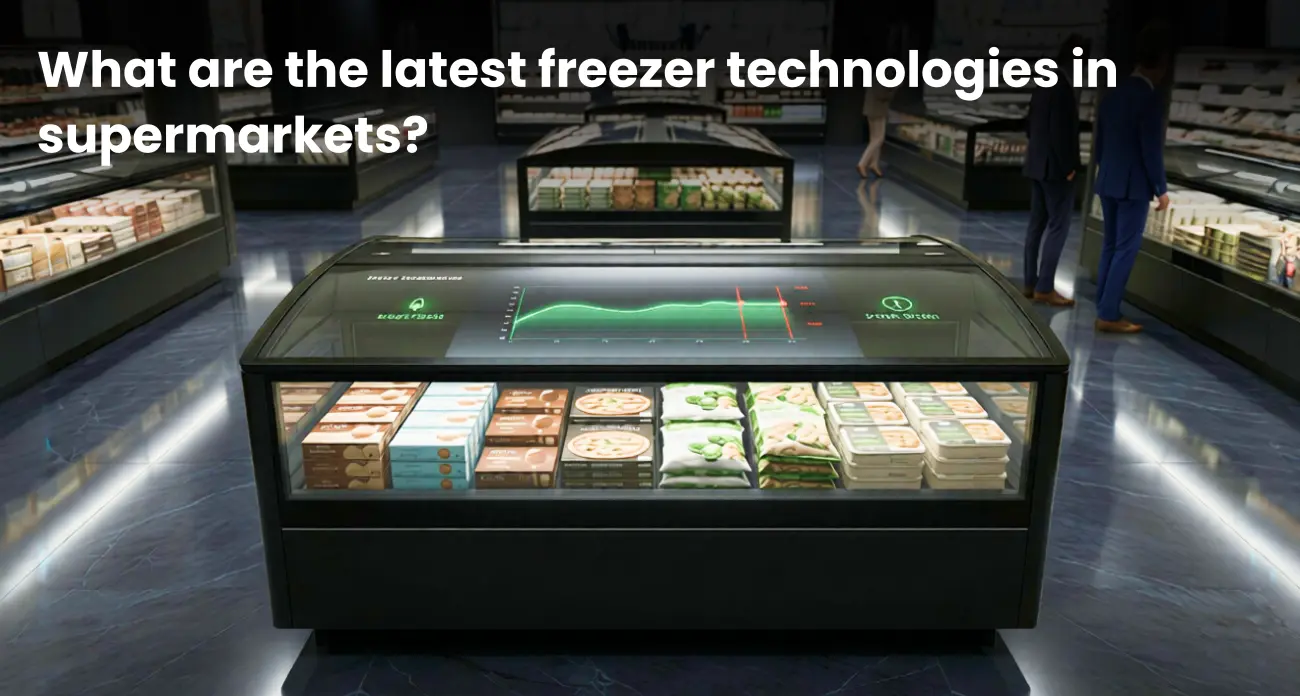
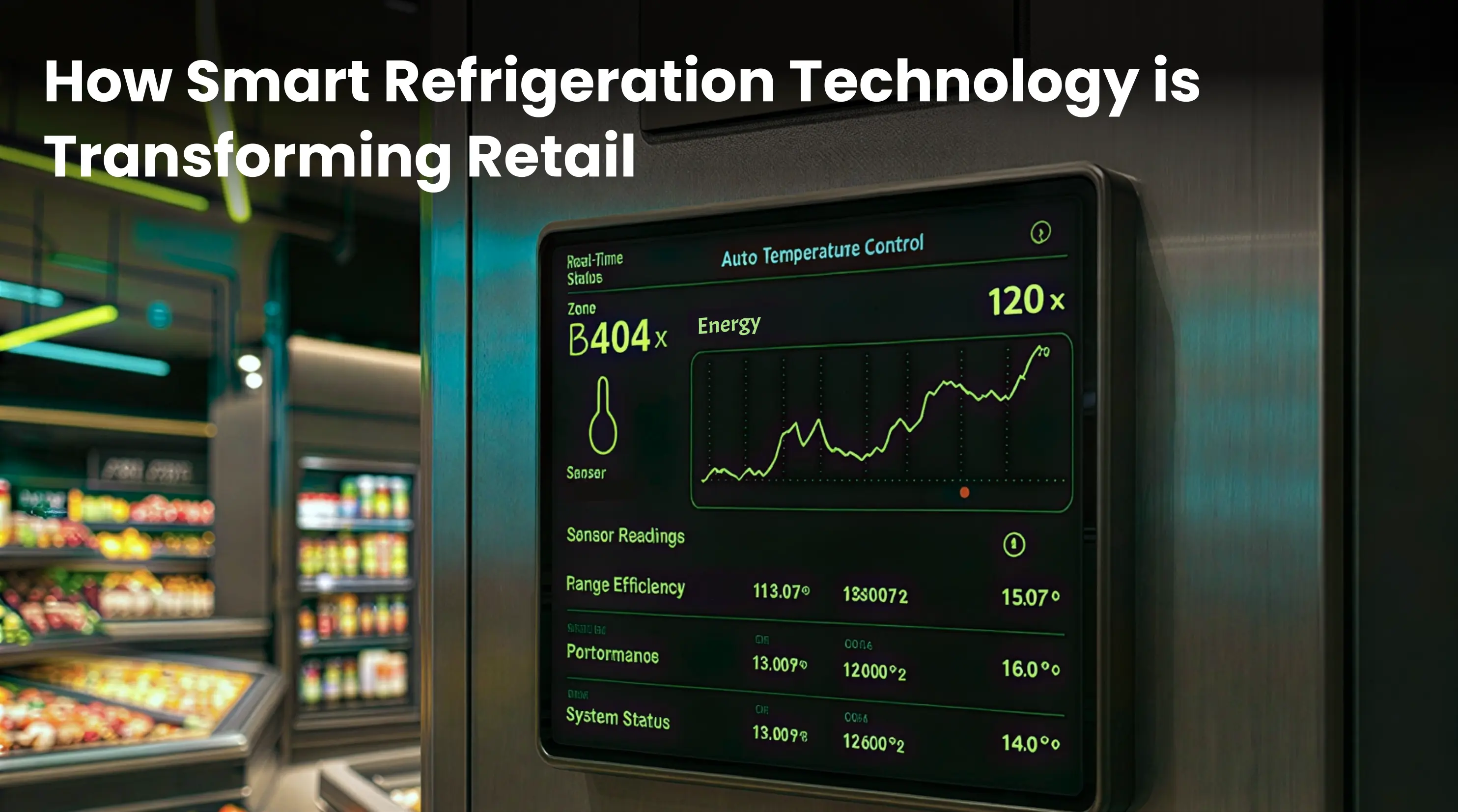
Smart refrigeration technology in retail refers to advanced cooling systems that use IoT sensors AI automation and cloud based monitoring to control temperature optimize performance and reduce energy consumption Unlike traditional systems smart refrigeration systems are data driven and adaptive.
In modern retail environments intelligent cooling systems retail businesses rely on are no longer just about keeping products cold, and they are about efficiency sustainability and real time decision making.
How Intelligent Cooling Systems Works in Retail
Intelligent cooling systems combine multiple technologies to deliver consistent and optimized cooling performance, These include
- IoT based systems for real time monitoring
- Smart sensors to track temperature humidity and usage
- AI powered cooling systems that adjust performance automatically
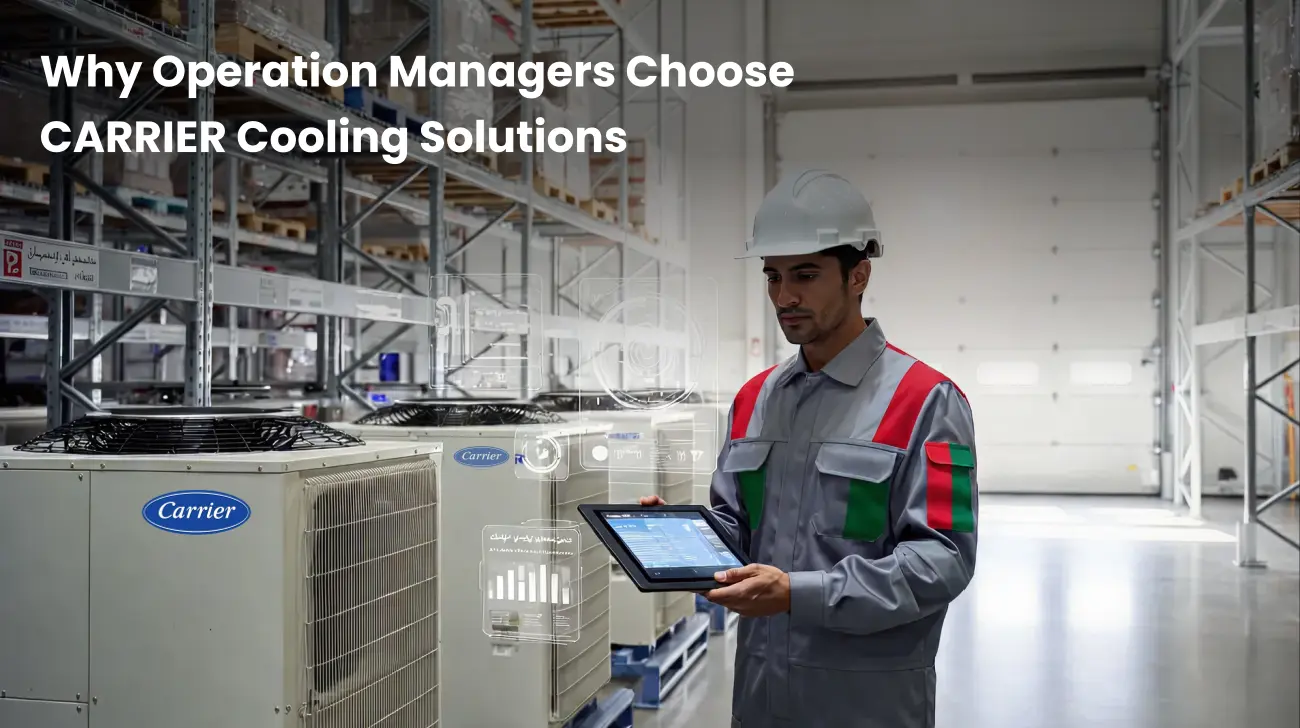
- Remote monitoring refrigeration systems for centralized control
- Automated temperature control systems to prevent fluctuations
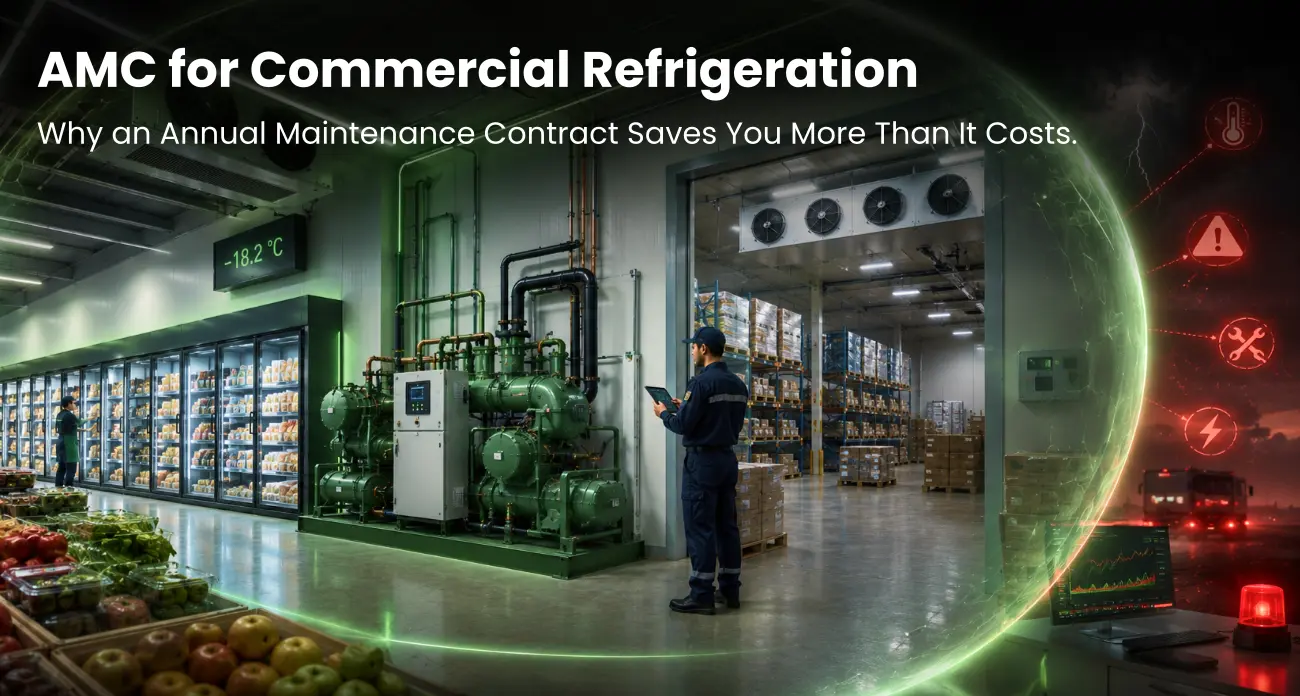
For example in supermarkets smart refrigeration solutions continuously analyze data and adjust cooling output based on foot traffic door openings and ambient temperature, this ensures energy efficient systems for retailers which can depend on even in high temperature environments.
Why Retailers are Switching to Smart Refrigeration Systems
Retailers across UAE and the Middle East are rapidly adopting smart refrigeration technology in retail due to increasing operational costs and sustainability goals.
Key reasons include
| a. Rising electricity costs and need for energy saving technology | c. Need for compliance with environmental standards |
| b. Demand for sustainable cooling technologies | d. Growth of digital transformation in retail infrastructure |
Retail refrigeration and commercial refrigeration solutions in Middle East markets are now driven by innovation rather than traditional cooling methods.
Benefits of Smart Refrigeration Systems
1. Energy Efficiency and Cost Reduction
Smart refrigeration reduces energy consumption significantly by using predictive analytics and automation businesses can reduce energy cost refrigeration systems without compromising performance
2. Predictive Maintenance
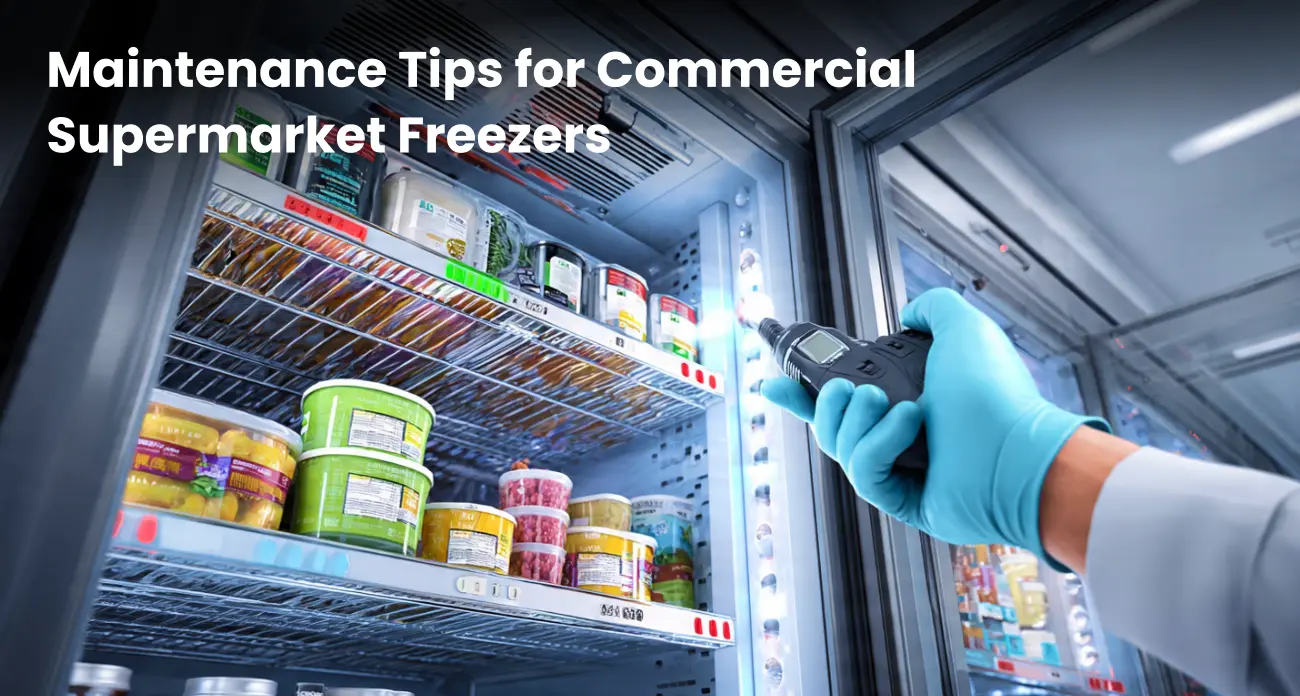
Predictive maintenance refrigeration helps detect issues before failures occur, this reduces downtime and maintenance costs while increasing equipment lifespan
3. Improved Product Quality
Stable temperatures ensure better preservation of frozen and chilled products, this improves customer satisfaction and reduces waste
4. Remote Monitoring and Control
Cloud based refrigeration monitoring allows businesses to control multiple locations from a single dashboard making it ideal for large retail chains
5. Sustainability and Compliance
Smart cooling systems in UAE markets focus heavily on eco friendly refrigerants and reduced carbon emissions aligning with global sustainability goals
Smart Refrigeration vs Traditional
Traditional cooling systems operate at fixed settings and require manual monitoring, this leads to higher energy consumption and inconsistent performance
Advanced temperature control solutions on the other hand
- Automatically adjust cooling levels
- Provide real time alerts and insights
- Optimize energy usage
- Enable remote diagnostics
This shift from static to intelligent cold chain retail systems is redefining how businesses manage cooling operations
Role of IoT in Cooling Systems
IoT cooling systems for retail stores play a central role in modern cooling infrastructure, Sensors collect data continuously and send it to cloud platforms where it is analyzed for performance optimization
This allows
- Real time temperature tracking
- Instant alerts for anomalies
- Data driven decision making
- Integration with HVAC and cooling systems
IoT in HVAC and cooling is not just a trend it is becoming a necessity for efficient retail operations
How Smart Refrigeration Reduces Energy Costs in Supermarkets
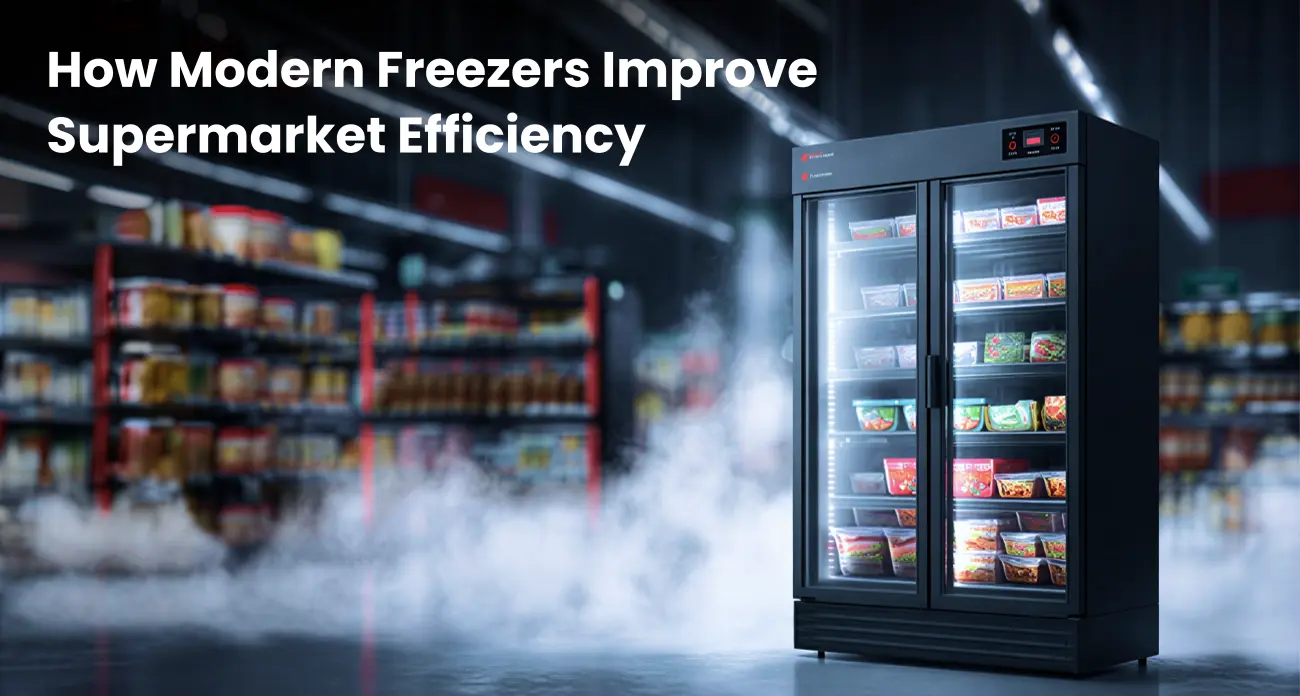
Energy efficiency is one of the biggest advantages of smart solutions for supermarkets
Here is how it works
- Sensors detect usage patterns and adjust cooling accordingly
- AI algorithms optimize compressor performance
- LED lighting and door systems reduce energy loss
- Automated defrost cycles improve efficiency
Energy efficient supermarket cold storage solutions can reduce electricity consumption by up to thirty percent making them a strong investment for retailers
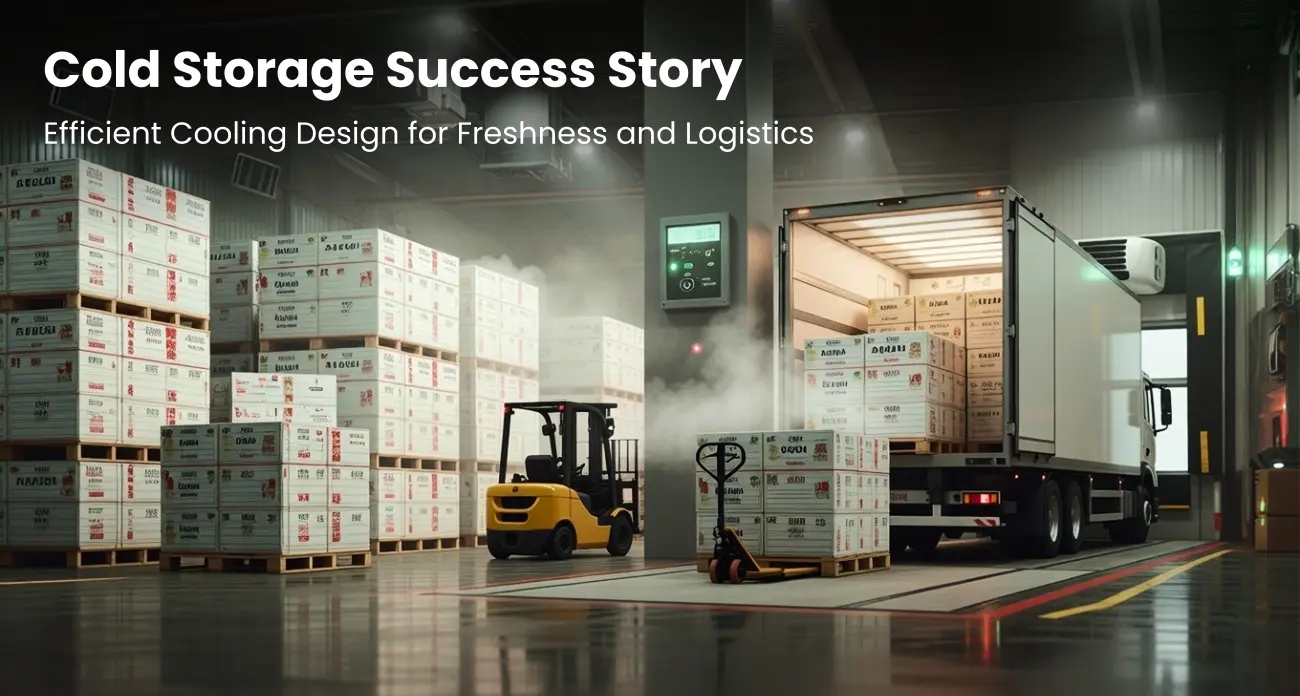
Best Smart Cold Storage Technology for Retail Stores
- Connected cold systems retail environments rely on
- Smart cold storage solutions for retail
- Modular and scalable commercial smart systems
- Cloud integrated monitoring platforms
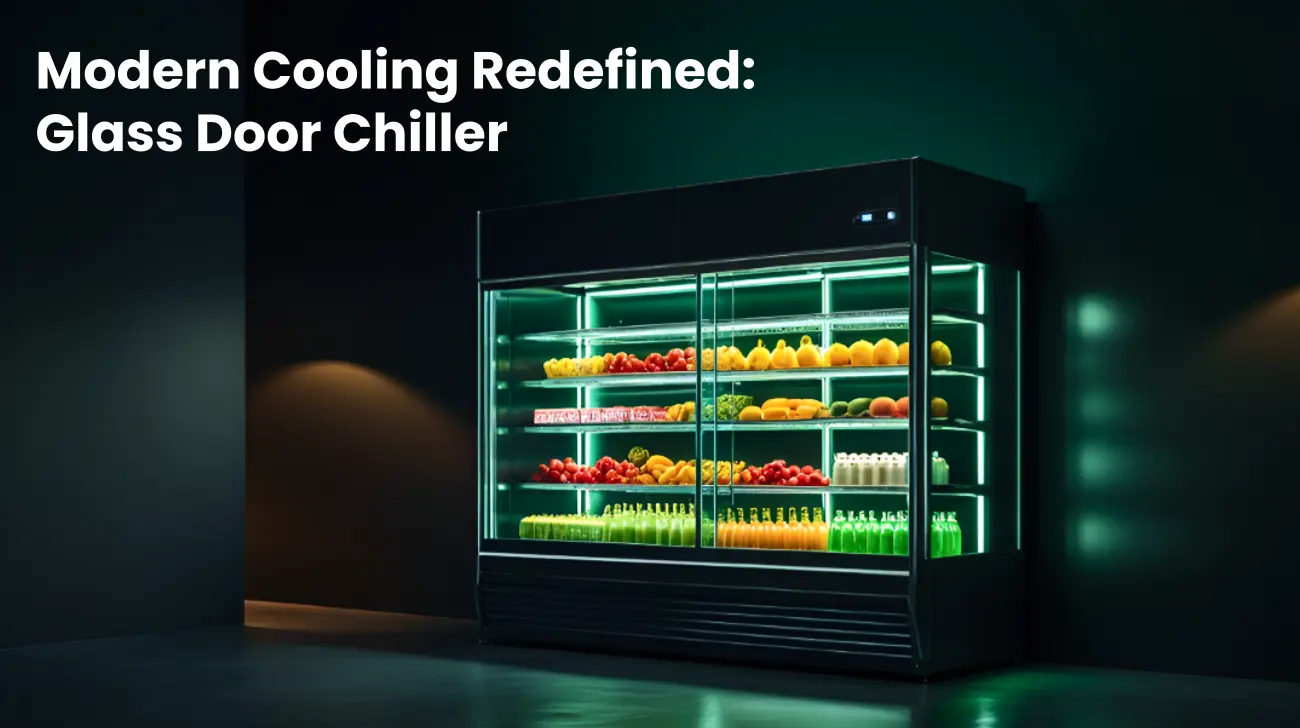
Retail cold system providers now focus on customization, ensuring solutions match store size, product type, and operational needs, while also integrating with glass door display systems, commercial ice machines, and industrial chillers—making them ideal for supermarkets and large retail environments.
Future of Industrial Cooling Technology in Retail Industry
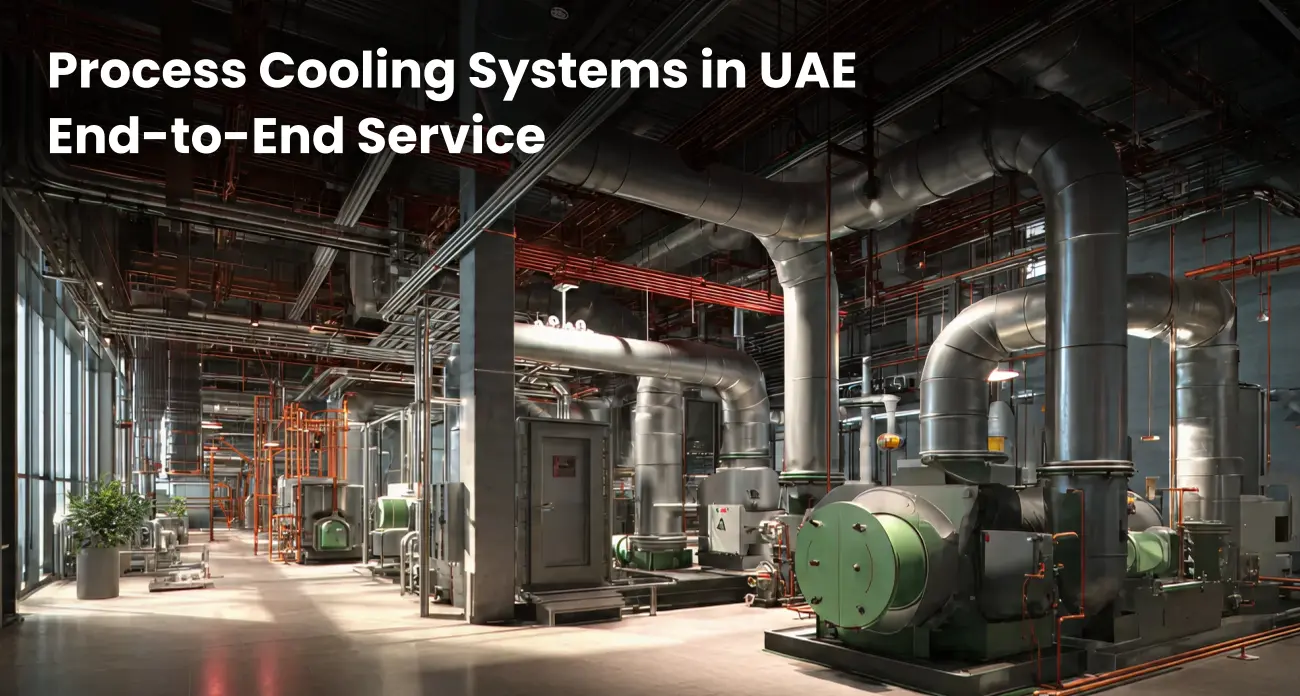
The future of industrial cooling technology in retail industry is driven by AI automation and sustainability
Key trends include
- Fully automated systems
- Integration with smart building ecosystems
- Advanced AI powered cooling systems
- Increased adoption of sustainable cooling technologies
- Enhanced cold chain optimization in retail
Next generation industrial cooling systems will not only preserve products but also act as intelligent assets that contribute to overall business strategy
Final Thoughts
Smart refrigeration technology in retail is transforming how businesses manage cooling operations From energy efficiency to predictive maintenance and real time monitoring the shift toward digital refrigeration solutions is creating smarter more sustainable retail environments.
As retailers continue to focus on cost optimization customer experience and environmental responsibility adopting intelligent cooling systems retail strategies is no longer optional It is the future of competitive retail.
FAQ
What is smart cooling technology in retail?
Smart cooling technology refers to advanced temperature-control systems that use IoT sensors, artificial intelligence, and automation to maintain optimal conditions. These systems continuously monitor and adjust performance to improve efficiency, reduce energy usage, and ensure consistent product preservation.
How do intelligent cooling systems work in supermarkets?
Intelligent cooling systems collect real-time data from sensors that track temperature, humidity, and usage patterns. AI-based algorithms analyze this data and automatically adjust cooling output, helping maintain stable conditions while minimizing energy consumption.
Why are modern cooling solutions important for retail businesses?
Modern cooling solutions help retailers lower electricity costs, maintain product freshness, and improve operational efficiency. They also support sustainability goals by reducing energy waste and enabling better control across multiple store locations.
How does IoT improve temperature-controlled systems?
IoT enhances temperature-controlled systems by enabling continuous monitoring and instant alerts. Sensors send data to cloud platforms, allowing businesses to track performance remotely, detect issues early, and make data-driven decisions for better efficiency.
What are the benefits of automated cooling systems for supermarkets?
Automated cooling systems offer several benefits, including energy savings, reduced maintenance costs, improved product quality, and centralized control. They adapt to changing conditions such as foot traffic and external temperatures, ensuring consistent performance at all times.