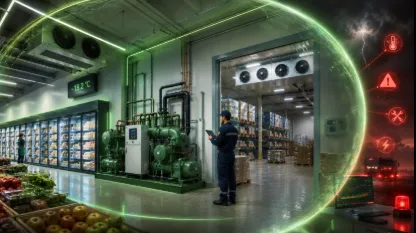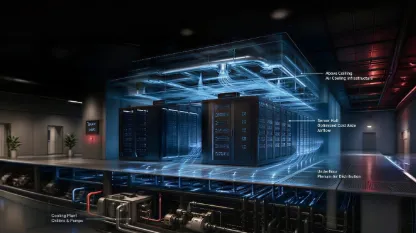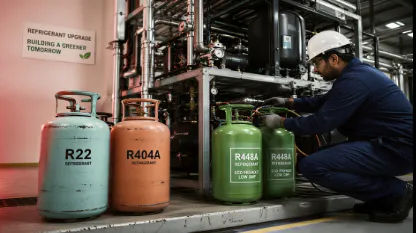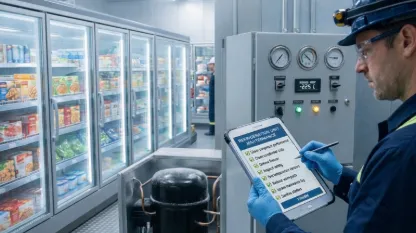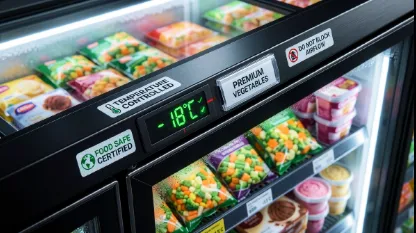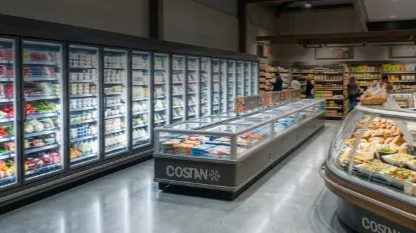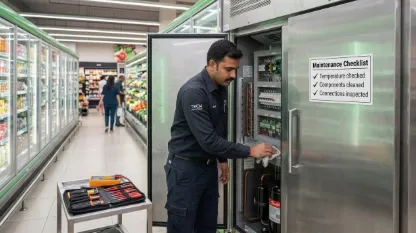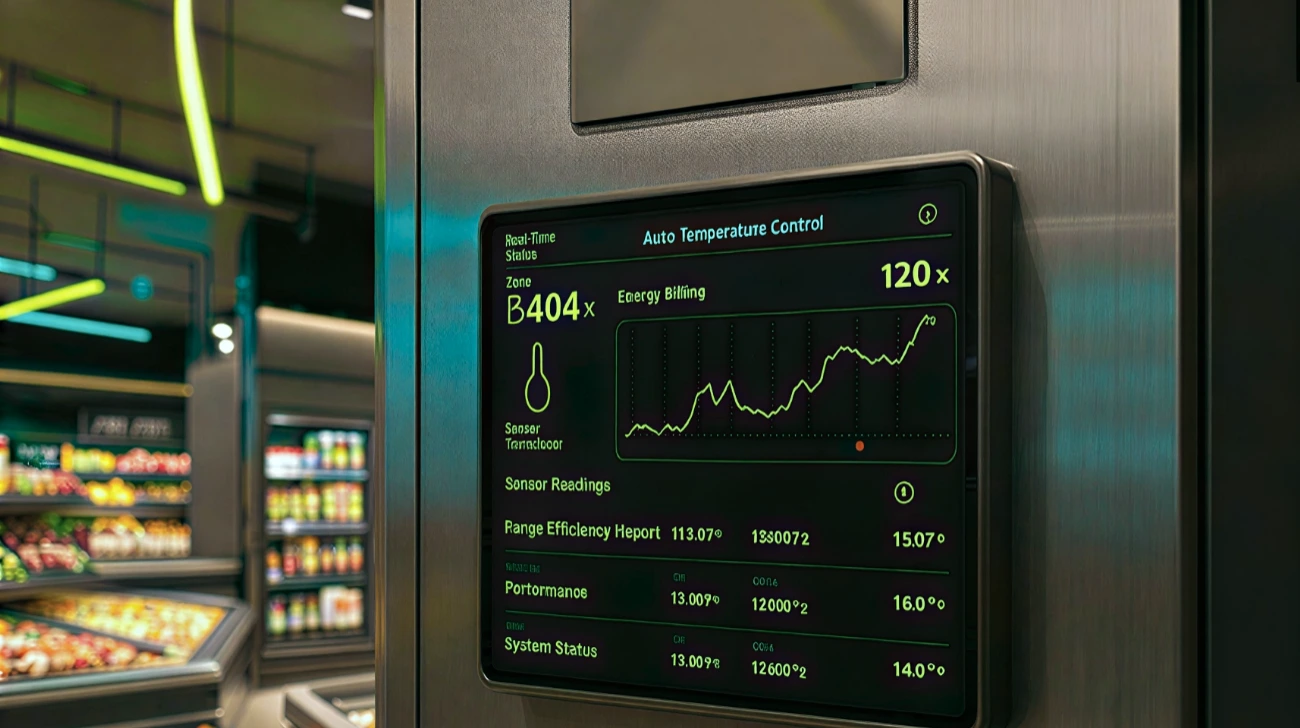

Selecting the right cold storage solution is an important investment for businesses involved in food processing, dairy, meat and poultry, seafood, fresh produce, pharmaceuticals, supermarkets and temperature-controlled logistics. In the UAE, a temperature-controlled facility must be designed around product requirements, storage capacity, operating conditions, insulation performance, cooling capacity, energy consumption and applicable safety standards. Whether you are planning a new industrial warehouse, installing a walk-in chiller, expanding an existing facility or upgrading an outdated cooling system, choosing the right solution requires careful technical and commercial evaluation.
This guide explains the available storage systems, essential design requirements, installation cost factors and how to select the right cold storage contractor.
What Are Cold Storage Solutions?
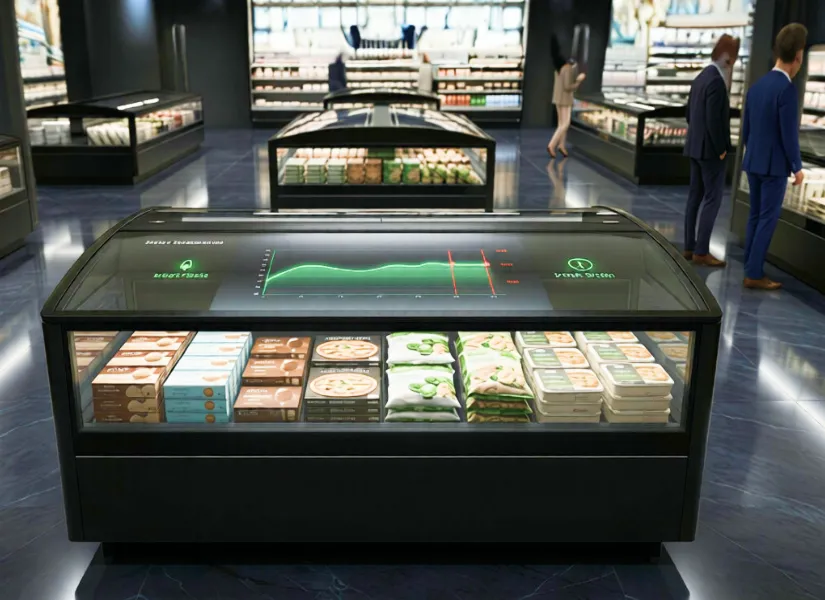
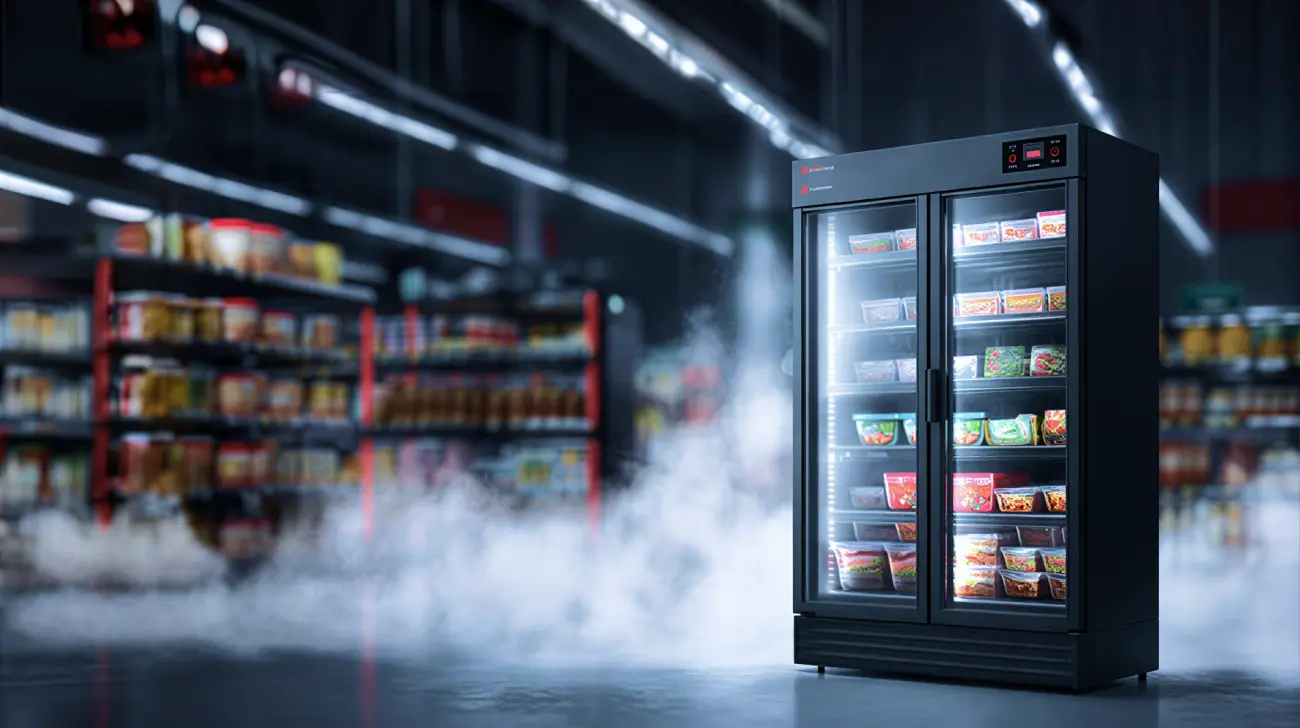
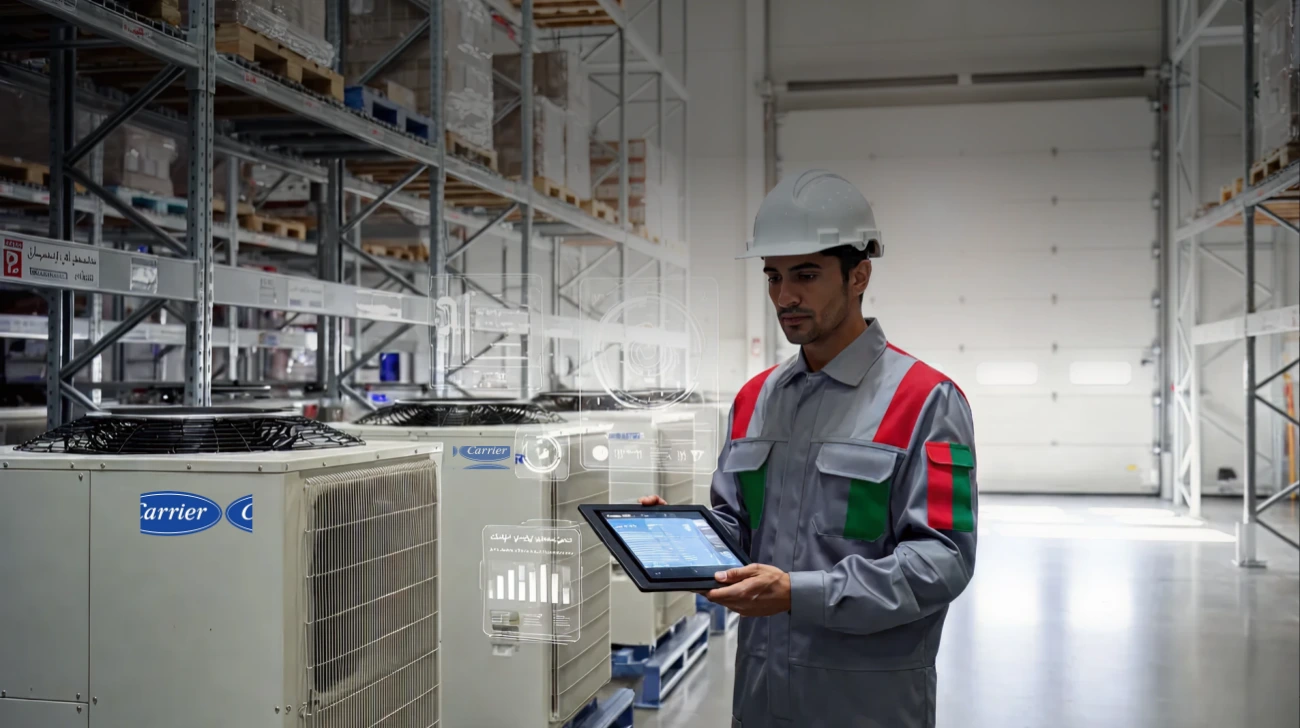
These systems are temperature-controlled facilities designed to preserve products under specified conditions during storage, handling and distribution. A complete installation typically includes insulated panels, cooling equipment, doors, temperature controls, electrical systems and monitoring devices.The right configuration depends on the product, required temperature, incoming product condition, daily throughput and storage duration.
Types of Cold Storage Solutions Available in the UAE
Different industries require different temperature-controlled configurations. Common options include:
1. Walk-In Chillers
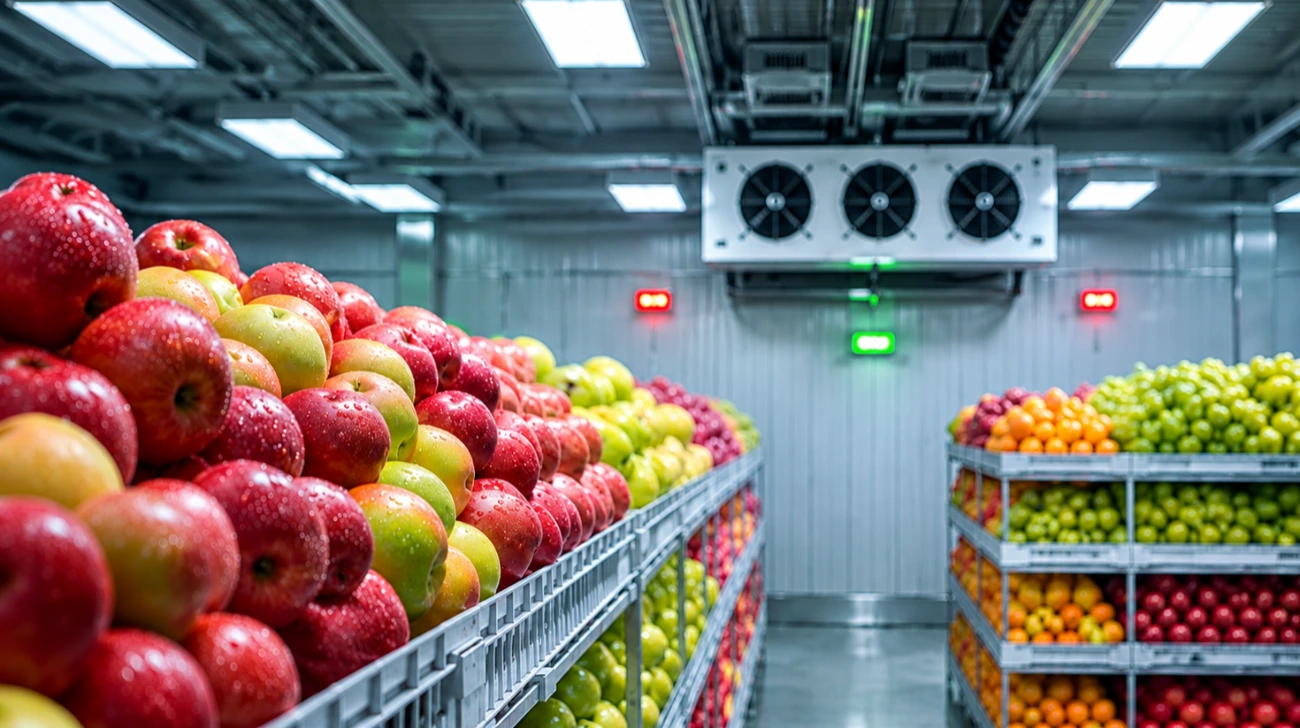
Walk-in chillers provide controlled-temperature storage for products that require chilled rather than frozen conditions. Typical applications include supermarkets, hotels, commercial kitchens, dairy facilities, meat and poultry businesses, seafood distribution and fresh produce storage. Selection should consider storage capacity, required temperature, product loading, access frequency and internal airflow. Know more about Walk-In Chiller Solutions
2. Walk-In Freezers
Walk-in freezers are designed for frozen meat, poultry, seafood, ice cream, frozen vegetables and packaged food. A suitable installation requires insulated panels, cooling equipment, appropriate doors and temperature controls. Depending on the application, additional provisions may include floor insulation, vapour protection, door heating and defrost management. Explore Commercial walk-in freezer solutions
3. Large Industrial Cold Storage Facilities
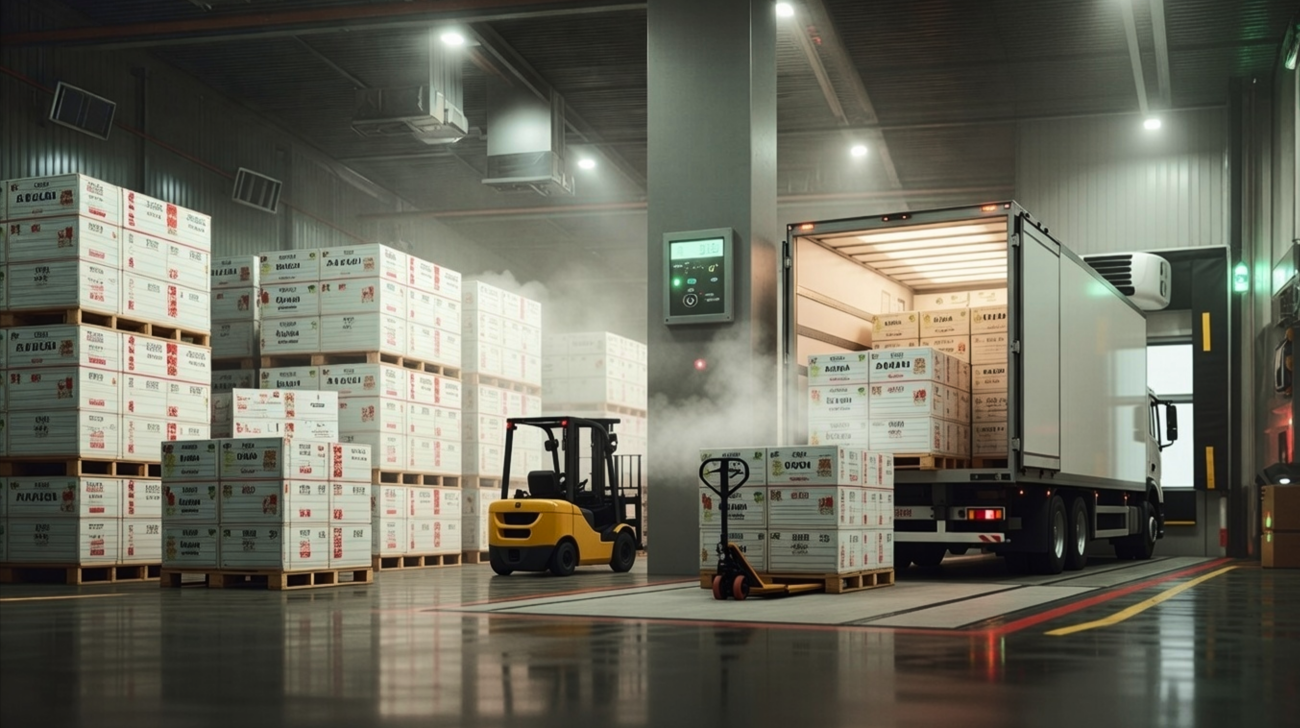
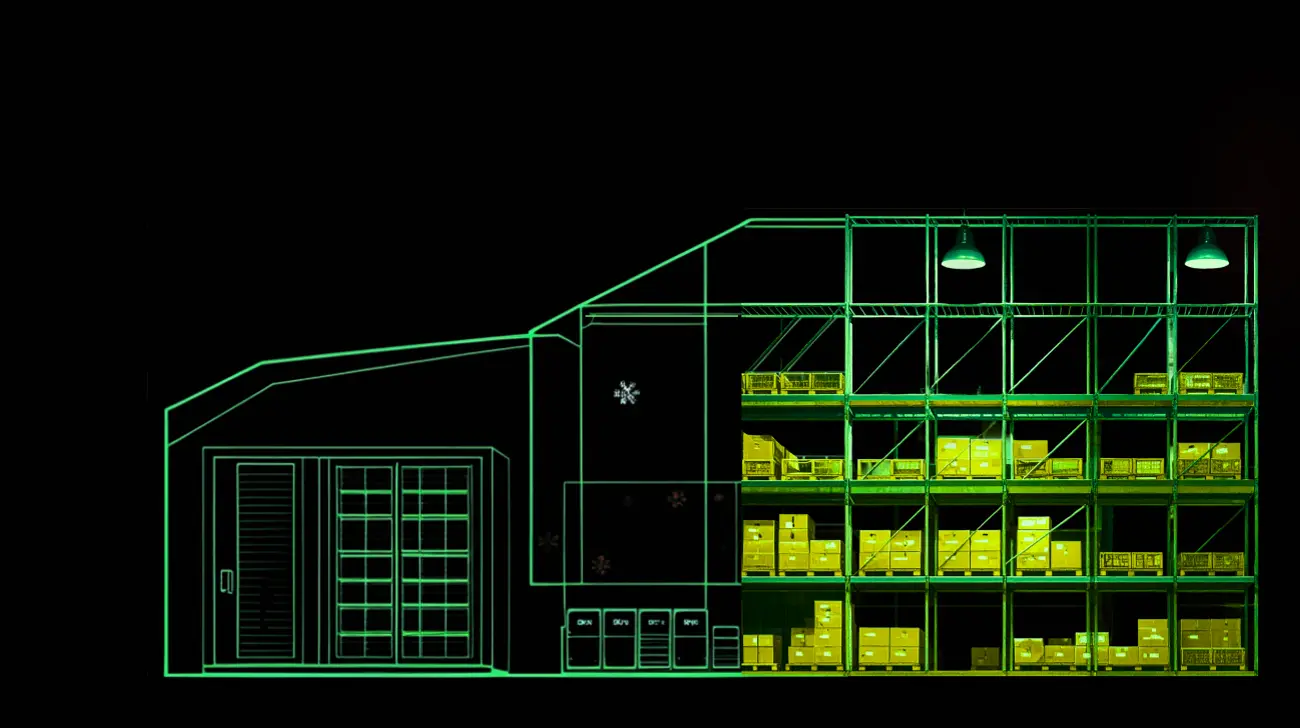
Industrial facilities support high-volume inventory, commercial distribution and continuous operations. They may require multiple temperature zones, loading docks, pallet storage, material-handling arrangements, independent refrigeration circuits and centralised monitoring. Explore Large Industrial Cold Storage Solutions
4. Blast Freezers and Blast Chillers
Blast chillers rapidly remove heat from prepared or processed products, while blast freezers reduce product temperature to the required frozen condition within a specified period. They are commonly used in meat and poultry processing, seafood, ready-meal manufacturing, bakeries and central kitchens. Selection depends on product type, initial temperature, batch size, packaging, processing time and target product-core temperature. Discover our blast chilling and rapid freezing solutions for commercial and industrial applications.
5. Skid-Mounted and Modular Cold Rooms
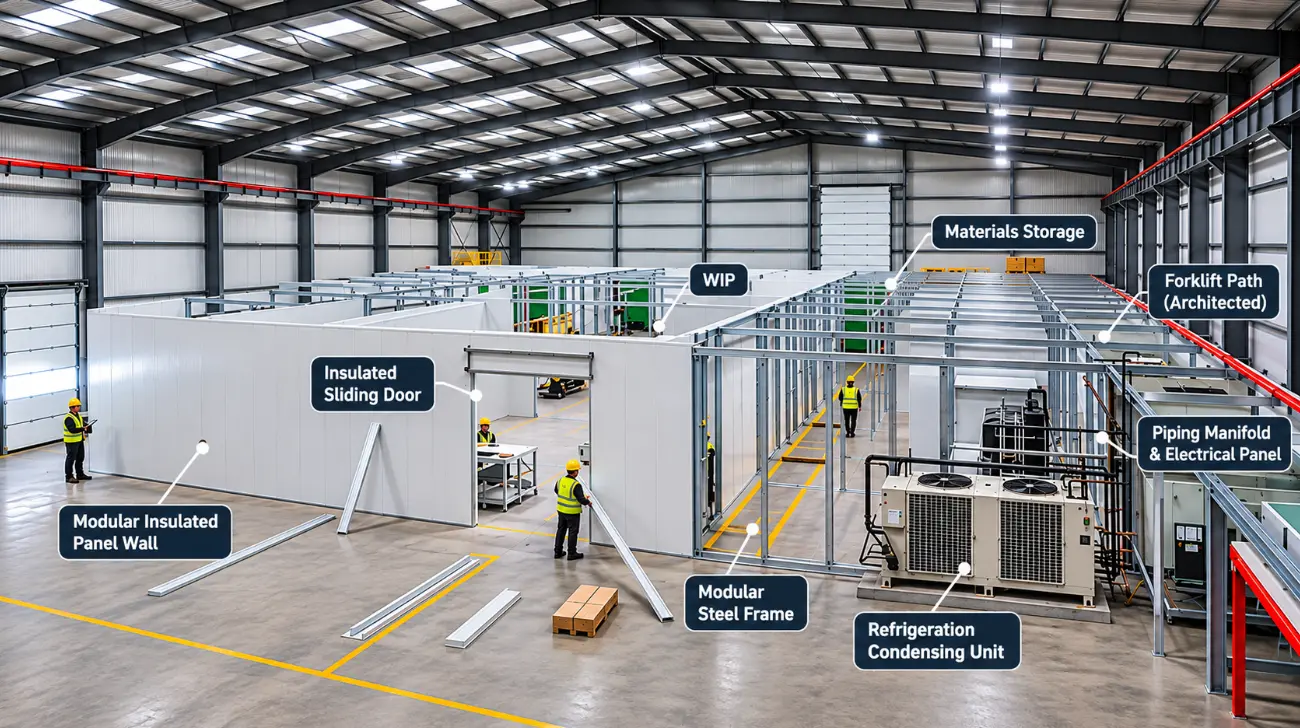
Modular and skid-mounted cold rooms can suit projects requiring prefabricated, compact or expandable installations. Before selecting one, assess site access, transportation, structural support, utilities, operating conditions and future expansion requirements. Explore Skid-Mounted Cold Room Solutions
Cold Storage Solution Comparison
| Solution | Typical application | Key consideration |
| Walk-in chiller | Chilled food and produce | Temperature and inventory turnover |
| Walk-in freezer | Frozen products | Required frozen storage conditions |
| Industrial cold storage | Bulk inventory and distribution | Capacity and throughput |
| Blast chiller | Rapid product cooling | Cooling time |
| Blast freezer | Rapid product freezing | Freezing duty and batch size |
| Modular cold room | Compact or expandable facilities | Site and installation requirements |
Which Industries Need Cold Storage Solutions?
Storage requirements vary according to product characteristics, temperature, humidity and handling conditions.
| • Food processing: | Separate storage areas for raw materials, intermediate products and finished goods. |
| • Dairy and frozen food: | Milk cooling, chilled storage, frozen product holding and distribution. |
| • Meat and poultry: | Chilled processing, carcass cooling, blast freezing and frozen storage. |
| • Seafood: | Rapid chilling, processing-line cooling, blast freezing and frozen storage. |
| • Fruits and vegetables: | Temperature, humidity, airflow, product respiration and ethylene management. |
| • Supermarkets and hypermarkets: | Walk-in chillers, freezer rooms and back-of-house storage. |
| • Pharmaceuticals: | Product-specific temperature management, calibrated monitoring, alarms and documented procedures. |
Pharmaceutical storage requirements must be assessed separately; general food-storage temperature assumptions should not be applied to medicines.
How to Choose the Right Cold Storage System
Before requesting quotations, establish the following project requirements:
1. Product and Storage Requirements
Document product categories, packaging, incoming temperature, required storage temperature, storage duration and any specific humidity or handling requirements. Different products may require separate temperature zones.
2. Storage Capacity and Throughput
Consider total storage volume, pallet positions, daily incoming and outgoing quantities, peak inventory, racking arrangements and future expansion.
3. Required Temperature
Temperature requirements must follow product specifications and applicable regulations. For illustration, the Ras Al Khaimah Food Code specifies chilled storage at 5°C or below for certain high-risk foods and frozen food storage at -18°C or below. These are not universal design values for every product or UAE emirate.The design should establish the required operating range, acceptable temperature variation, monitoring and alarm limits.
4. Product Loading and Cooling Requirements
A room storing products already at the required temperature has a different cooling load from one receiving warm or freshly processed products.The design team should understand daily product quantities, incoming temperatures, required cooling time, door-opening frequency and operating shifts.
5. Future Expansion
Consider additional space, spare electrical capacity, independent temperature zones and provision for additional cooling equipment where future growth is expected.
Cold Storage Design Requirements for UAE Climate Conditions
UAE facilities require careful engineering because high outdoor temperatures and humidity can increase heat gain and refrigeration demand.
Insulated Panels and Vapour Protection
PUR and PIR insulated panels are commonly considered for cold room construction. Selection should account for thermal conductivity, thickness, fire-performance requirements, mechanical properties and construction quality.Panel thickness should not be selected using temperature alone. Outdoor conditions, room dimensions and the overall heat-load calculation must also be considered.Continuous vapour barriers and properly sealed joints help prevent moisture ingress, condensation and insulation deterioration.
Refrigeration Capacity and Heat-Load Calculation
Cooling capacity must be based on the actual heat load, including:
| Heat transfers through walls, ceilings and floors. |
| Warm air entering through doors and openings. |
| Heat introduced by incoming products. |
| Lighting, personnel and electrical equipment. |
| Material-handling and operational loads. |
The designer should calculate the refrigeration duty using documented operating assumptions. Both undersizing and oversizing can affect performance and operating costs.
Condenser Selection and Heat Rejection
Condenser selection should consider local ambient conditions, refrigeration duty, available airflow, installation location and maintenance access.High outdoor temperatures can affect condensing conditions and compressor performance. Air-cooled and water-cooled arrangements should be evaluated according to project requirements, utilities and lifecycle costs.
Airflow and Doors
Evaporator selection, air distribution, ceiling height, racking and product stacking influence temperature uniformity.Insulated doors, high-speed doors, strip curtains, loading vestibules and dock seals may help reduce warm-air infiltration. The right arrangement depends on traffic volume and operating requirements.
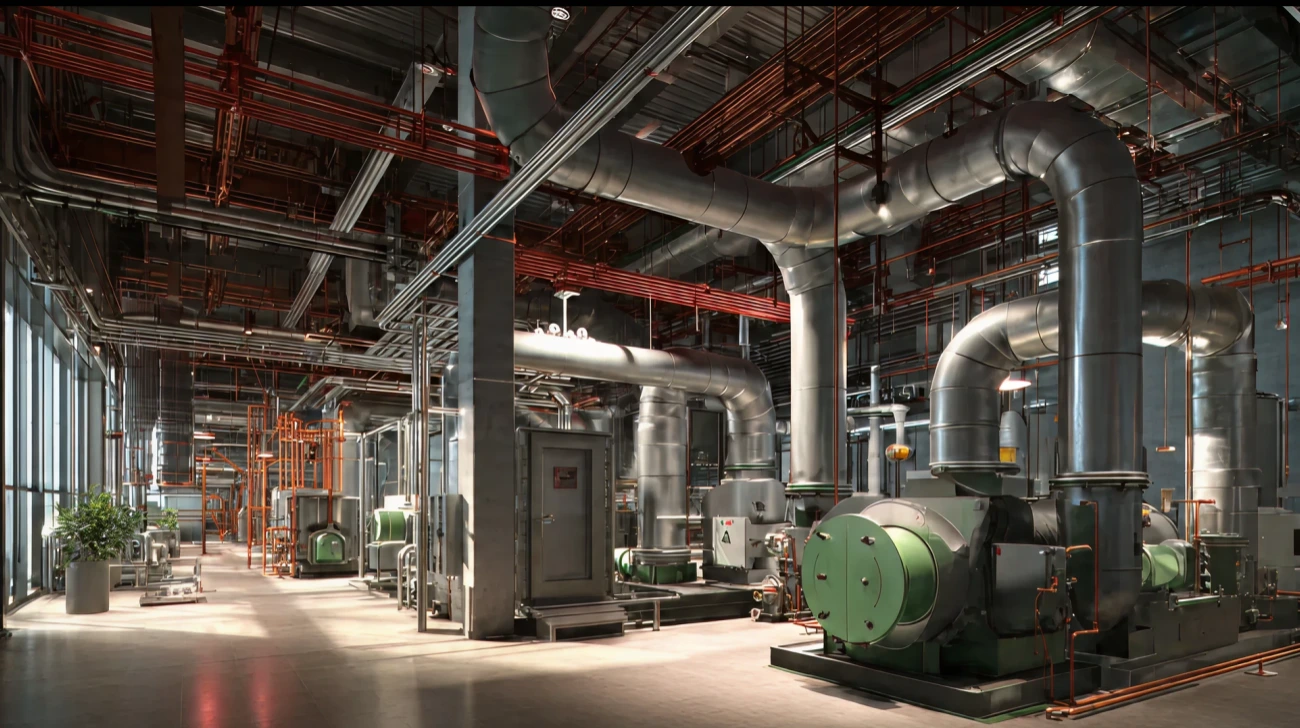
Essential Components of an Industrial Cold Storage System
| Component | Function | Buyer consideration |
| Compressor | Circulates and compresses refrigerant | Capacity and efficiency |
| Condenser | Rejects system heat | Heat-rejection capacity |
| Evaporator | Absorbs heat from storage areas | Airflow and defrost |
| Expansion valve | Regulates refrigerant flow | Control compatibility |
| Insulated panels | Limit heat transfer | Thermal performance |
| Doors | Control access and air infiltration | Insulation and sealing |
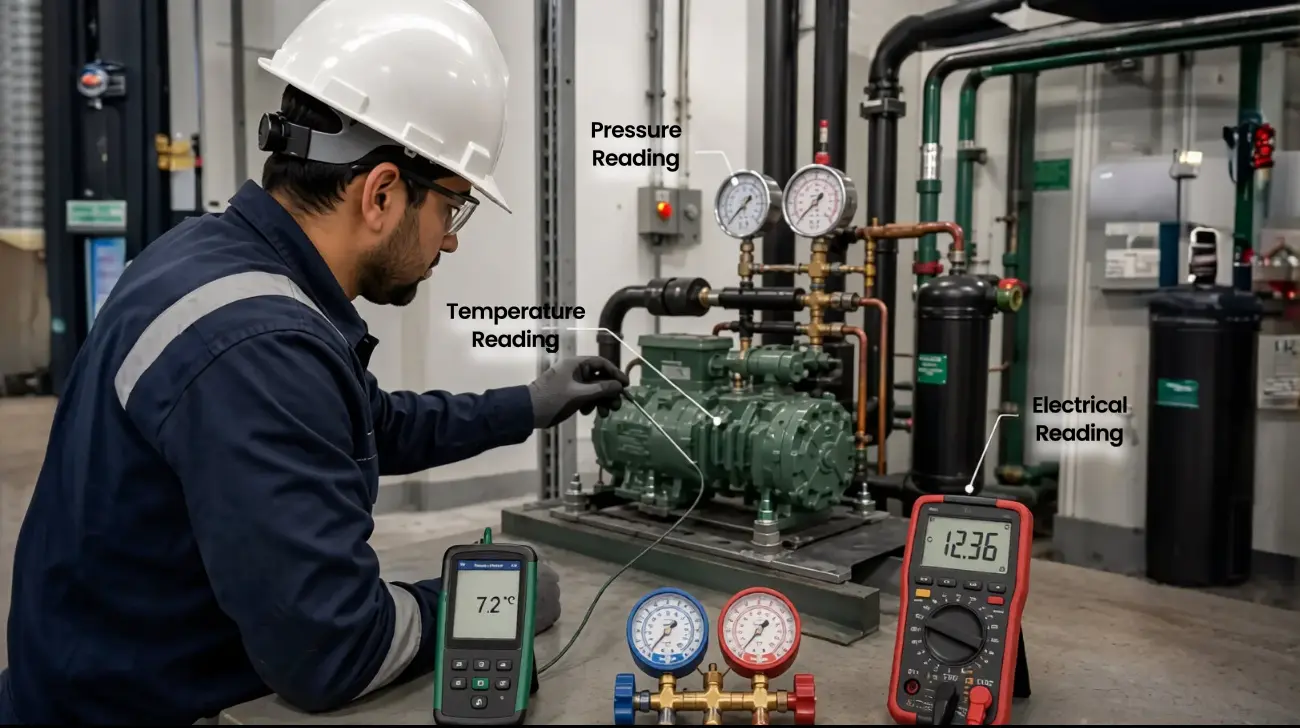
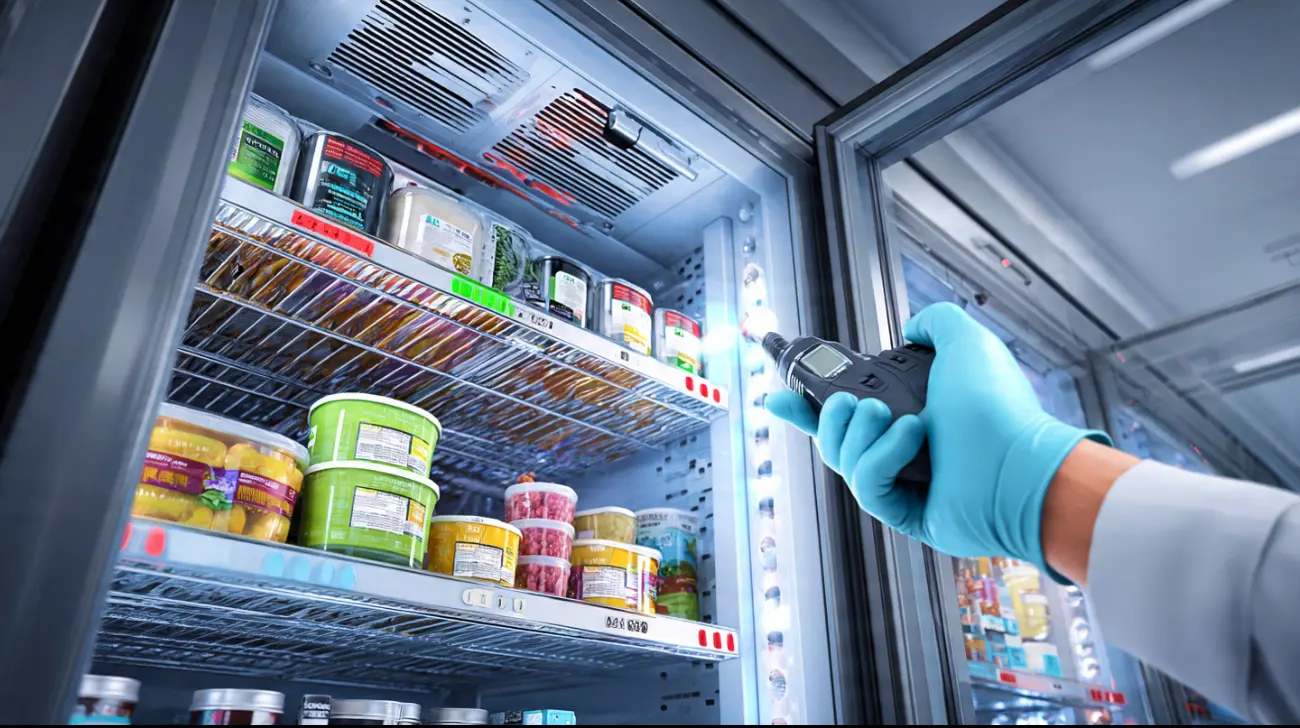
| Controllers and sensors | Regulate and monitor conditions | Accuracy and alarms |
Equipment should be selected as part of an integrated system rather than evaluated individually.
UAE Cold Storage Regulations and Compliance
These projects must consider applicable food-safety, public-health, building, electrical, fire-safety and sector-specific requirements. Important considerations include product-specific temperatures, monitoring and records, hygiene, separation of raw and finished products, contamination prevention and emergency arrangements for refrigeration or power failure. Requirements vary according to the emirate, business activity and stored products. Businesses should verify current requirements with the competent authority before finalizing their specifications. Pharmaceutical and other regulated storage applications require additional sector-specific assessment.
How Much Does Cold Storage Installation Cost in the UAE?
There is no standard installation price for every facility. Costs depend on facility dimensions, storage temperature, refrigeration capacity, insulation, equipment selection and site conditions. Major cost components include:
|
|
|
|
|
|
Procurement teams should evaluate both capital expenditure and operating expenditure. Compare total installed cost, estimated electricity consumption, equipment serviceability, warranty, spare-parts availability and maintenance requirements. A lower initial quotation may not offer the best long-term value if the system is poorly matched to the application.
How to Select a Cold Storage Contractor in UAE
Before appointing a contractor, evaluate:
| 1. Technical design capability: | Can the contractor assess product requirements and calculate the refrigeration load? |
| 2. Project experience: | Has the company completed comparable installations? |
| 3. Equipment specifications: | Are compressors, condensers, evaporators, panels and controls properly documented? |
| 4. Installation and commissioning: | Are testing, temperature verification and handover included? |
| 5. Warranty and support: | Are service response, spare parts and preventive maintenance covered? |
| 6. Documentation: | Are operating instructions, equipment details and commissioning records provided? |
Cold Storage Procurement Checklist
| Evaluation item | What to verify |
| Product requirements | Type, condition and storage temperature |
| Capacity | Volume, pallets and peak inventory |
| Throughput | Incoming and outgoing quantities |
| Heat-load calculation | Documented refrigeration duty |
| Insulation | Panel type and thermal performance |
| Refrigeration plant | Equipment selection and compatibility |
| Controls | Sensors, alarms and monitoring |
| Energy | Estimated consumption and assumptions |
| Installation | Defined project responsibilities |
| Commissioning | Testing and handover |
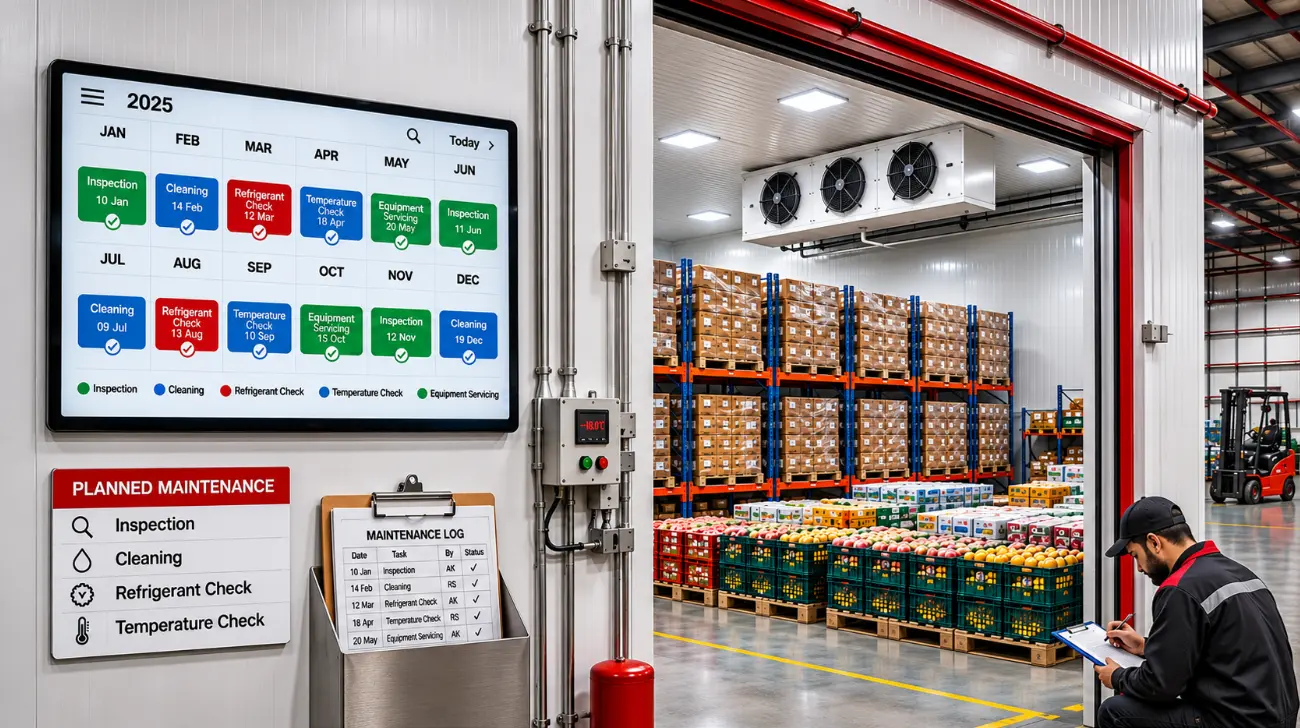
| Maintenance | Warranty and service arrangements |
New Installation vs Existing Facility Upgrade
A new installation allows the facility layout, insulation and refrigeration system to be designed around current requirements. An upgrade may be more practical when the existing structure and equipment remain suitable.
An upgrade assessment should examine refrigeration capacity, insulation, doors, controls, electrical supply and equipment condition. Replacing one component alone may not resolve a wider system problem.
Plan Your Cold Storage Project with Thermodynamics
Selecting a cold storage solution is a long-term operational decision. The right design must balance storage requirements, refrigeration performance, energy consumption, product protection, installation quality and ongoing maintenance.Thermodynamics Technical Services provides commercial and industrial refrigeration and cold storage solutions for businesses with different storage and processing requirements.Whether you are planning a new facility, expanding capacity or upgrading an existing installation, an engineering-led assessment can help identify an appropriate technical configuration.
Planning a cold storage project in the UAE?
Share your product requirements, storage capacity, operating temperature, project location and expected timeline with the Thermodynamics team.